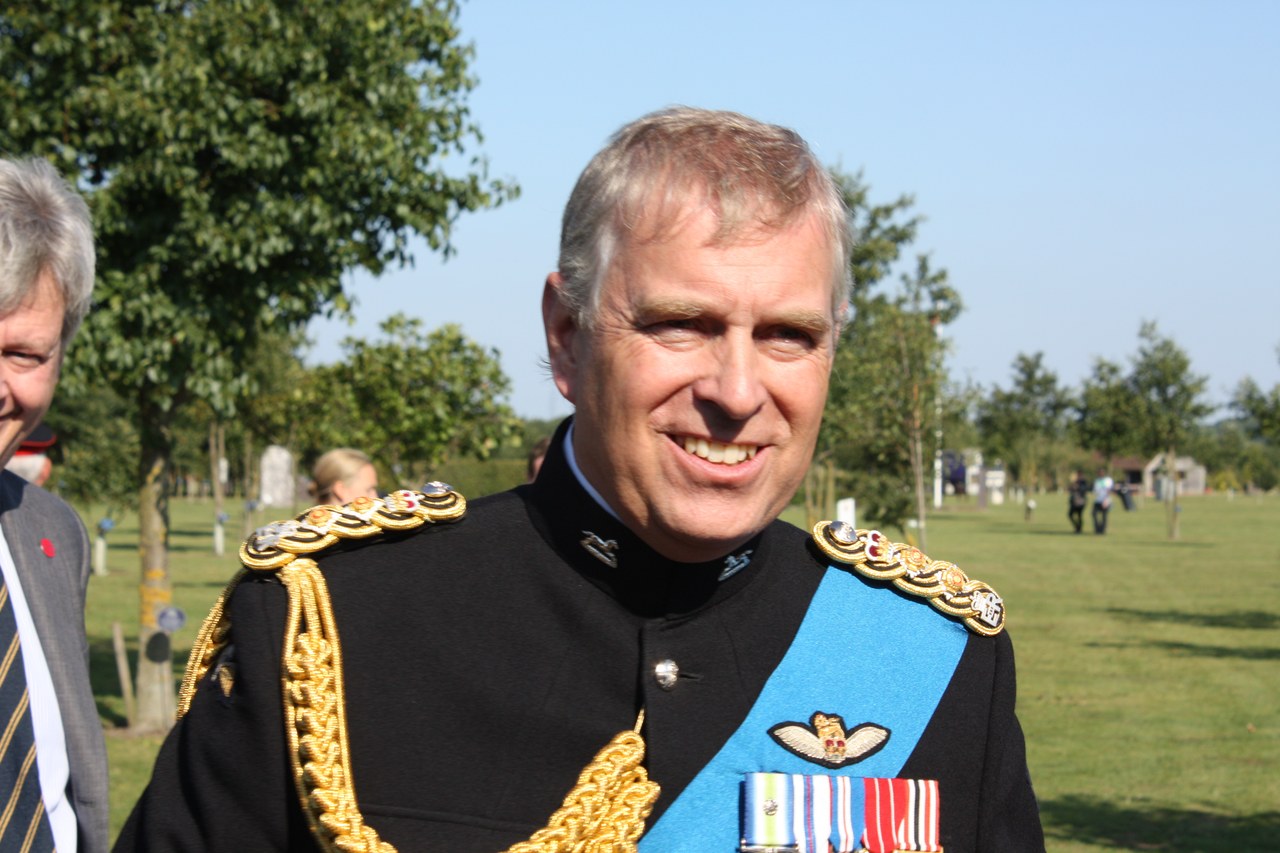
A High Court judge has ruled that Andrew Mountbatten-Windsor can be called to give evidence in the London fraud trial of Turkish businessman Selman Turk. In a judgment on Friday, October 23, Mr Justice Adam Johnson gave Mr Turk permission to rely on a witness summary and to seek to call evidence from Mr Mountbatten-Windsor in the civil claim brought by Nebahat Isbilen, PA Media reported. The trial is expected to begin in November and to run for 11 weeks. There is no suggestion of wrongdoing by Mr Mountbatten-Windsor.
Mrs Isbilen, a fellow Turkish national, is suing Mr Turk, her former adviser. She alleges that he misled her over a £750,000 payment made to the then-Duke of York in 2019, which was later repaid, according to PA and The Times. Mr Turk denies dishonesty and asked the court for permission to call Mr Mountbatten-Windsor to give evidence at the trial.
Mr Justice Johnson said: “Given the seriousness of the allegations, both on their own terms and in light of their wider impact, fairness requires that Mr Turk should be afforded an opportunity of putting forward his own case, using the evidence he considers relevant and material.” PA reported that the application had been made late, but that the judge found the evidence from Mr Mountbatten-Windsor was “limited in scope” and could be accommodated within the 11-week trial.
A witness summary outlines the evidence a party in proceedings believes a witness could give when it has been unable to obtain a witness statement from that witness, PA and The Times reported. The judge said he was content to find, on the balance of probabilities, that had he been asked, Mr Mountbatten-Windsor would have declined to provide a witness statement, and that it was “highly unlikely that a person in the position of Mr Mountbatten-Windsor would wish voluntarily to provide a witness statement and give evidence at a trial in public proceedings,” PA reported. The judge said his decision meant only that Mr Turk could seek to call the evidence, and that a witness summons “will likely” be needed to compel Mr Mountbatten-Windsor to give it. The Times reported that Mr Mountbatten-Windsor would have the legal right to challenge any summons.
It has long been Mr Turk’s case, the judge said, that the £750,000 payment was made on Mrs Isbilen’s own accord, because she believed Mr Mountbatten-Windsor could help her husband, whom she claims had been the victim of political persecution in Turkey, PA reported.
The Facts
- Mr Justice Adam Johnson ruled on Friday, October 23, that Selman Turk may rely on a witness summary and seek to call evidence from Andrew Mountbatten-Windsor (PA; The Times).
- Nebahat Isbilen alleges Mr Turk, her former adviser, misled her over a £750,000 payment made to the then-Duke in 2019 and later repaid; Mr Turk denies dishonesty (PA; The Times).
- The judge said a witness summons “will likely” be needed; The Times reported Mr Mountbatten-Windsor could challenge any summons.
- The trial in London is expected to begin in November and run for 11 weeks (PA).
- There is no suggestion of wrongdoing by Mr Mountbatten-Windsor.
Reports differ on the scale of the case. The Times described it as a £40m civil fraud trial, reporting that Mrs Isbilen alleges Mr Turk diverted about £40m into companies under his control and offshore structures. Most headlines on the ruling have framed the case around the £750,000 payment dispute. The Times reported that Mrs Isbilen fled Turkey to live in the United Kingdom after her husband, a politician, was imprisoned, and that she said she trusted Mr Turk to transfer assets out of Turkey to stop them being seized. Mr Turk denies any wrongdoing, and his lawyers argue that all transfers were authorised and accounted for, The Times reported.
PA reported that lawyers for Mrs Isbilen have previously told the High Court that tens of millions of pounds of her money had been misappropriated, and that money was used for purposes unconnected with her, including substantial sums paid to the then-Duke and Duchess of York. The reports of Friday’s judgment state plainly that there is no suggestion of wrongdoing by Mr Mountbatten-Windsor, whose evidence, if it is given, the judge said would be limited in scope.
Sources: PA Media reports; The Times.
Comments