
The Baby Reindeer lawsuit is going to a jury. US District Judge R. Gary Klausner has set May 18, 2027 for the start of Fiona Harvey’s defamation trial against Netflix, at the US District Court for the Central District of California in Los Angeles — nearly three years after Harvey first sued over the hit series she says destroyed her life.
The date was not the one either side asked for. Netflix and Harvey’s lawyers had jointly proposed July 27, 2027; the judge refused and brought the trial forward. Harvey’s US lawyer, Richard Roth, told The Times his client was delighted: “We’ve just learnt that the trial of Fiona Harvey versus Netflix is going to be on May 18, 2027. We just got the notice, like within the last hour.” Roth said both sides had submitted a document allowing more time, “but the judge said ‘no, you’re trying this in May’.”
What Harvey Says The Show Did
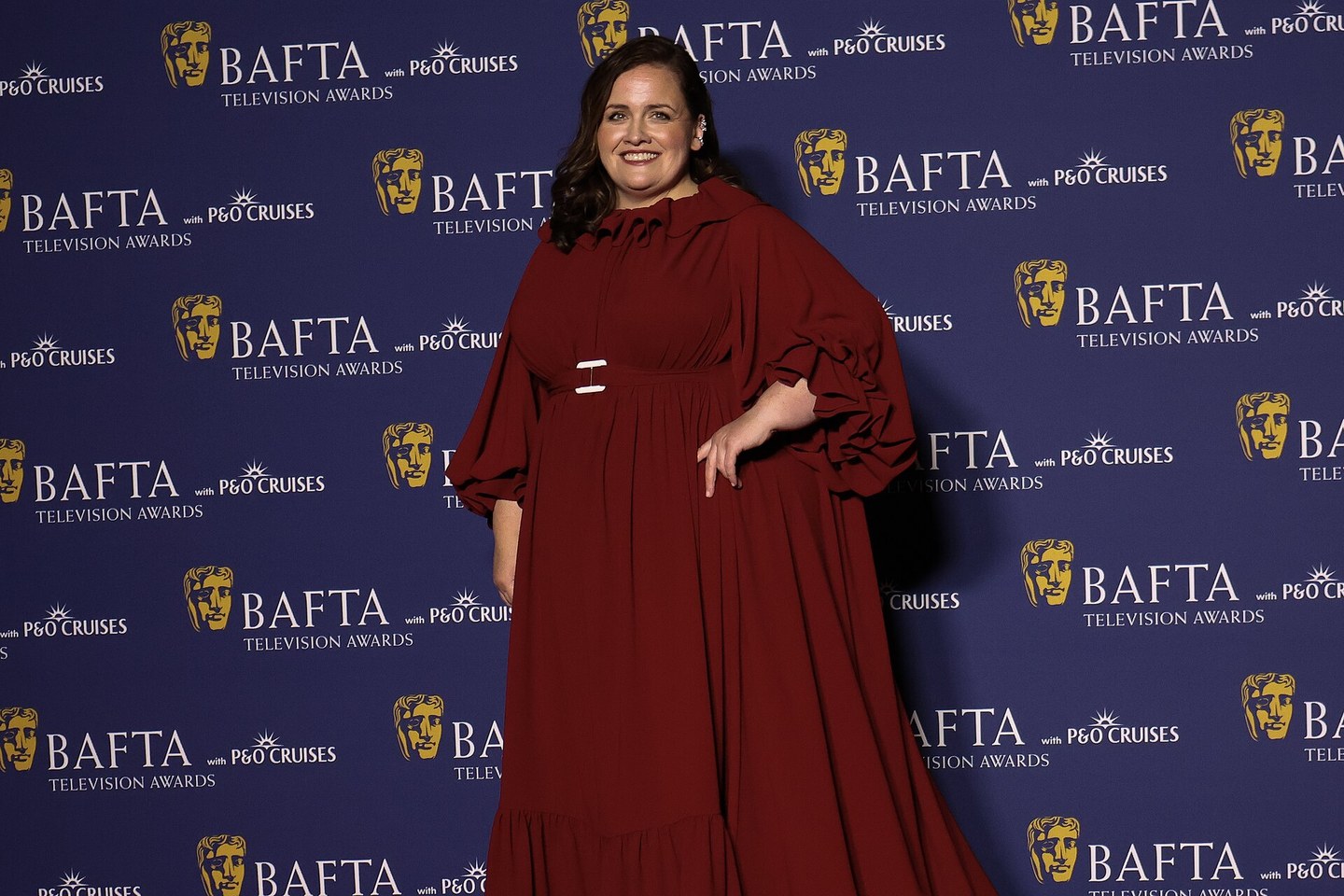
Harvey, 59, a Scottish former lawyer, says she is the inspiration for Martha, the stalker played by Jessica Gunning in the series. She alleges that Baby Reindeer falsely portrayed her as a twice-convicted stalker who was jailed for stalking and who sexually assaulted the show’s creator, Richard Gadd, whose character Donny Dunn she pursues in the drama. Harvey has never been convicted of stalking. Netflix denies defaming her.
The series, adapted by Gadd from his autobiographical one-man stage show, premiered in April 2024 and became a phenomenon. Viewers picked apart its details and identified Harvey as the apparent real-life Martha within days; she has said the attention that followed included death threats and abuse that upended her life. Gadd, who is not a defendant in the case, has defended the series in court filings.
In the series, Martha is herself a former lawyer — as Harvey is — and the drama itemises her pursuit of Donny in messages: tens of thousands of emails, hundreds of hours of voicemail and hundreds of social media posts, each signed off, in the show’s most quoted detail, “sent from my iPhone”. Harvey went public in a television interview in May 2024, weeks after the premiere, denying that she had stalked Gadd and saying the programme had defamed her; the lawsuit followed in June.
Harvey sued in June 2024, in a claim widely reported at $150 million in damages. The Times puts the full value of her claim — damages, a share of the profits from the series, and a renewed bid for punitive damages, which Judge Klausner struck out in 2024 — at more than $170 million (£128 million).
Why The Case Survived
The trial is happening because the case has already survived Netflix’s attempt to kill it. In September 2024, Judge Klausner refused to dismiss the claim under California’s anti-SLAPP law, the statute designed to dispose quickly of lawsuits that threaten free speech. He threw out Harvey’s negligence claims but allowed the defamation and intentional infliction of emotional distress claims to go forward.
His reasoning went to the heart of the dispute: the judge ruled that the series appeared to present itself as fact — it announces itself as a true story — and was “heavily based on reality”, despite using fictional names for its characters. A drama labelled fiction would have had a simpler defence; a drama marketed as truth, the court found, could be held to the standard of truth.
Netflix appealed, and the case went on hold for more than two years — the trial had originally been listed for May 2025. Last month, the appeal was dismissed on jurisdictional grounds, and both parties were ordered to propose a new timetable by November 9. Discovery in the case must now be completed by February, and the trial is expected to last about two weeks.
Harvey’s original suit ranged wider than the claim that will now be tried. Alongside defamation, she brought claims for intentional infliction of emotional distress, which proceeds with the case, and negligence, which Judge Klausner dismissed in 2024. She is also renewing her bid for punitive damages, which the judge struck out in the same ruling. By the time the jury is sworn in, Harvey will have waited almost three years since taking action against the streaming giant, The Times noted — most of it while the case sat frozen by Netflix’s appeal.
The Stakes For ‘True Story’ Television
Baby Reindeer won six Emmy Awards, including outstanding limited series, and two Golden Globes, and it also became the test case for an argument running across the streaming industry: how much protection does a production get when it sells a dramatised story as a true one, and the person who recognises themselves in it says the worst parts never happened? Every streamer now makes “based on a true story” drama; a Harvey win in Los Angeles would price legal risk into all of it.
The industry is watching because the ruling that let the case through was not narrow. Judge Klausner’s September 2024 decision turned on presentation: the series told its audience it was a true story, and its central character was identifiable, he found, whatever name the credits gave her. Productions that change names and add disclaimers have traditionally treated those steps as a shield. This case tests whether the shield holds when the marketing says “true” louder than the small print says “fiction” — and a jury, not a judge, will now apply that test to the evidence.
Between now and the trial, the case has a fixed road to run: discovery completed by February, pre-trial motions in the spring, and then a jury in the Central District courtroom in May 2027, in a trial expected to last about two weeks. Gadd is not a defendant, but his account of what happened between him and Harvey is the foundation the series stands on, and the truth or otherwise of that account is what the jury will be asked to judge.
The geography of the case underlines the oddity. Harvey is Scottish, Gadd is Scottish, the story is set in London, and the show is a British production — but the verdict will be delivered by a California jury, under American defamation law, against an American streaming giant. The trial begins on May 18, 2027.
Sources: The Times, November 2026; the Glasgow Times, November 14, 2026; The Scottish Sun, November 2026.

Comments