
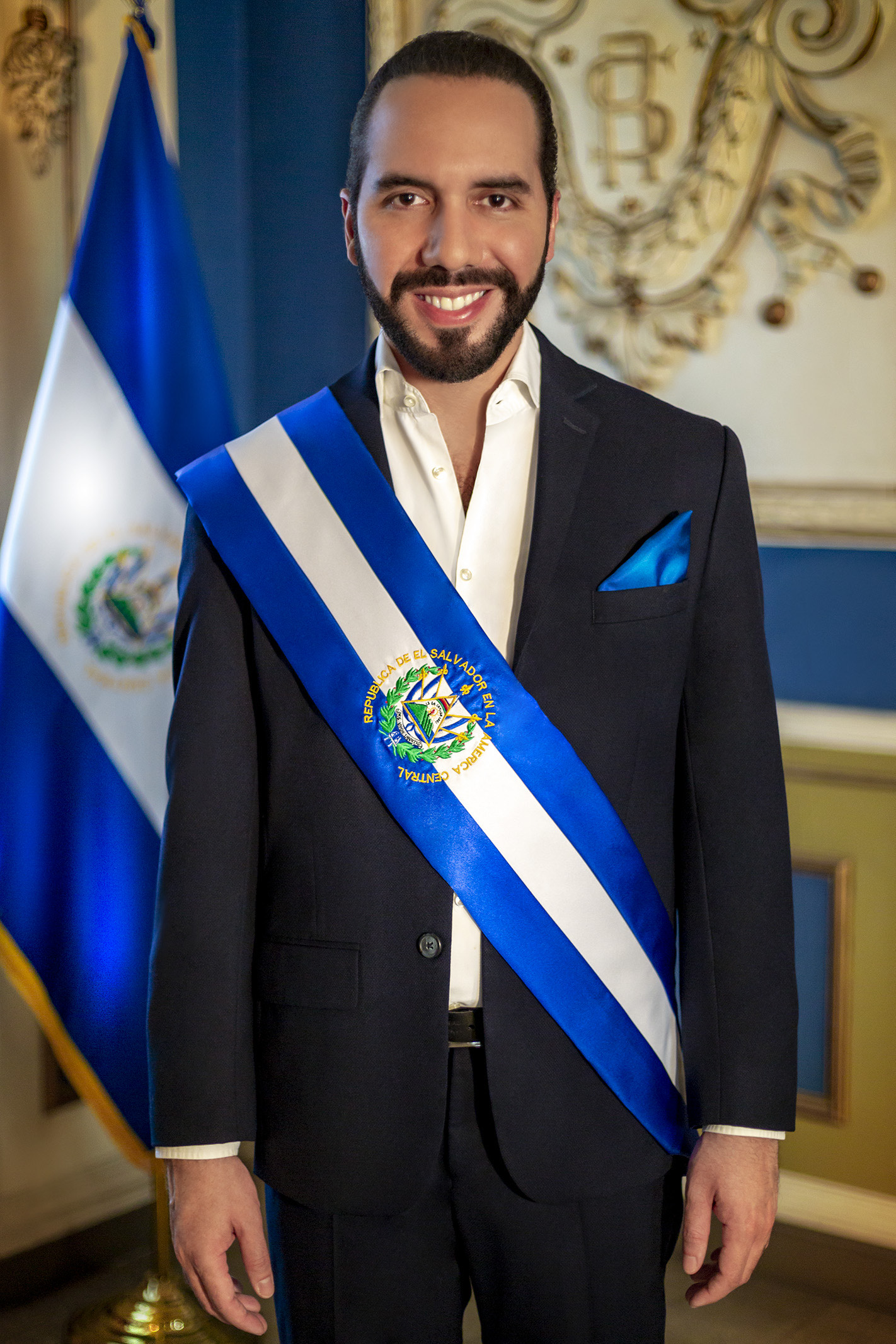
El Salvador’s way of fighting gangs — mass arrests and mass incarceration under President Nayib Bukele — is being copied across Latin America, the New York Times reports, in what it calls the region’s “Bukeleization.”
In Costa Rica, President Laura Fernández last week inaugurated a new 5,000-inmate maximum-security penitentiary modeled on Bukele’s prisons, and publicly called Bukele not just an inspiration but a hands-on adviser to her government.
The most aggressive imitator, the Times reports, is Ecuador’s President Daniel Noboa: a state of emergency declared in January 2024 that suspended many constitutional rights, 22,000 troops deployed against gangs, new Bukele-modeled prisons, and nearly 58,000 arrests this year. The results are mixed on the Times’ own figures: Ecuador’s homicides surged 30 percent in 2025 to a record 9,200, have since fallen 10 percent, and remain slightly higher than when Noboa took office — and judges have released many of those arrested while they await trial.
The model and its spread, in brief
- El Salvador: Bukele’s mass-incarceration anti-gang crackdown is the template
- Costa Rica: President Fernández opened a 5,000-inmate maximum-security prison last week; Bukele named as a hands-on adviser
- Ecuador: emergency rule since Jan. 2024, 22,000 troops deployed, ~58,000 arrests this year; homicides a record 9,200 in 2025, down 10% since, still above Noboa’s start
- The critique (former President Chinchilla): under the model, “justice doesn’t exist”
The criticism travels with the model. Former Costa Rican president Laura Chinchilla, quoted in the Times piece, said that under Bukele’s model, “justice doesn’t exist” — Bukele, not the law, “decides who’s arrested and who’s kept in jail.”
Comments
Loading comments…