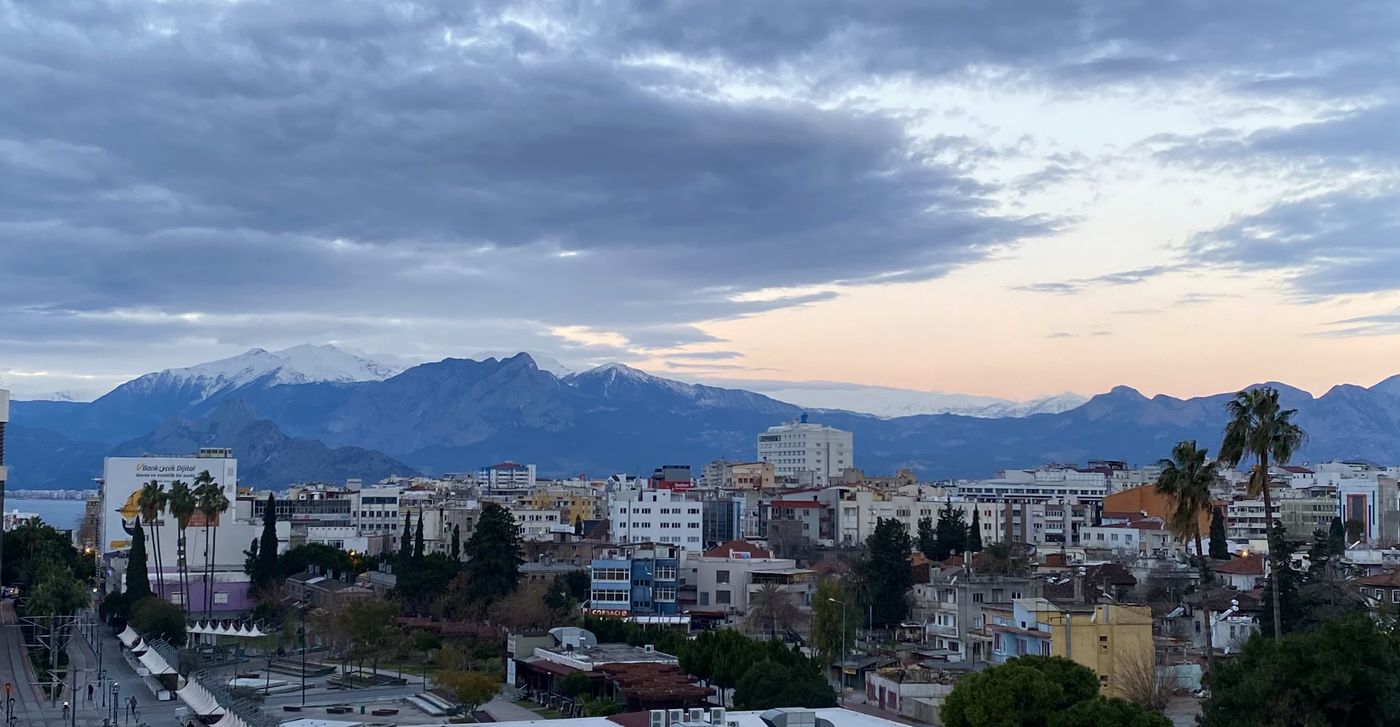
ANTALYA, Türkiye — The COP31 climate summit opens in Antalya, on Türkiye’s Mediterranean coast, with governments, scientists, environmental organisations and business representatives arriving for the United Nations climate negotiations that will set the direction of global climate policy for the year ahead.
COP31 is the 31st session of the Conference of the Parties to the UN Framework Convention on Climate Change. The formal opening plenary is scheduled for 10:00 a.m. on Monday, November 9, at the conference venue in the Soğucaksu district of Antalya, and the conference runs until November 20. Within it, heads of state and government will gather for the Antalya Leaders Summit on Wednesday and Thursday, November 11 and 12, with the summit held under the theme “Towards a Sustainable, Resilient and Equitable Future.”
A shared presidency
This year’s conference is run under an arrangement the UN climate process has not used before. Türkiye hosts the conference and holds the COP presidency, with Environment, Urbanisation and Climate Change Minister Murat Kurum as COP31 President, and runs the summit’s Action Agenda. Australia, in the person of Climate Change and Energy Minister Chris Bowen, serves as President of Negotiations, chairing the formal talks. The split was agreed at COP30 in Belém, Brazil, after the two countries had put in rival bids to host, and a pre-COP meeting was held in Fiji in October, with Pacific partners, to prepare the ground for Antalya.
The arrangement means the two halves of a COP — the political showcase and the negotiating machinery — are formally divided between two governments for the first time in the roughly three-decade history of the talks. Both presidencies say they will work together on a cover decision, the headline text that emerges from the conference, while Türkiye, as host and president, retains the final say over the summit it is staging.
An implementation COP
Antalya has been billed by its hosts as a “COP of implementation”: less about new headline promises, and more about whether the pledges already made can be turned into delivery. The national climate plans submitted under the Paris Agreement — the nationally determined contributions, or NDCs — put global emissions on a path only modestly below current levels by 2035, and the work of the conference is framed around closing the gap between those plans and what the science of the Paris temperature goals requires, and around who pays for the transition in the countries least able to fund it themselves.
Türkiye’s own centrepiece offer is an electrification pledge: a proposed voluntary global goal to raise electricity’s share of final energy consumption to 35 per cent by 2035. On adaptation, the UN Environment Programme’s latest Adaptation Gap Report, released on November 4, estimated that even tripling adaptation finance would bring it to between $85 billion and $120 billion a year, against estimated needs of $305 billion — one of the starkest numbers delegates bring into the Antalya halls. Finance more broadly, including the route agreed at COP30 towards mobilising about $1.3 trillion a year for developing countries by 2035, runs through the negotiations from the first day.
What Antalya must decide
The fossil fuel question will shape the politics of the conference even where it is not formally on the agenda. Brazil’s COP30 presidency published a voluntary roadmap for transitioning away from fossil fuels ahead of the summit, and delegations arrive in Antalya divided over how far and how fast that transition should be written into the conference’s decisions. The conference also takes place in a host region that has felt the subject at first hand: wildfires burned thousands of hectares in Antalya province this year, in a summer that underlined the Mediterranean’s exposure to a warming climate.
Two weeks of talks now follow: the opening plenary on Monday, the leaders’ summit midweek, and then the long negotiating sessions that will decide what Antalya produces by November 20 — whether that is the delivery-focused package its hosts have promised, or another conference whose decisions fall short of its opening theme of a sustainable, resilient and equitable future.
The Facts
- COP31, the 31st UN climate change conference, opens in Antalya, Türkiye, with the formal opening plenary on Monday, November 9, 2026, and runs to November 20
- Governments, scientists, environmental organisations and business representatives are gathering for the negotiations
- The Antalya Leaders Summit for heads of state and government is scheduled for November 11 and 12, under the theme “Towards a Sustainable, Resilient and Equitable Future”
- Türkiye hosts the conference and holds the presidency under Murat Kurum; Australia’s Chris Bowen serves as President of Negotiations, in a shared arrangement agreed at COP30 in Belém
- The summit has been billed as an “implementation COP,” focused on delivering existing pledges, including a proposed goal of electricity reaching 35 per cent of final energy consumption by 2035
Sources: United Nations Framework Convention on Climate Change (UNFCCC) conference arrangements for COP31, Antalya, October–November 2026; wire and agency coverage of the opening of COP31, November 2026.
Comments