

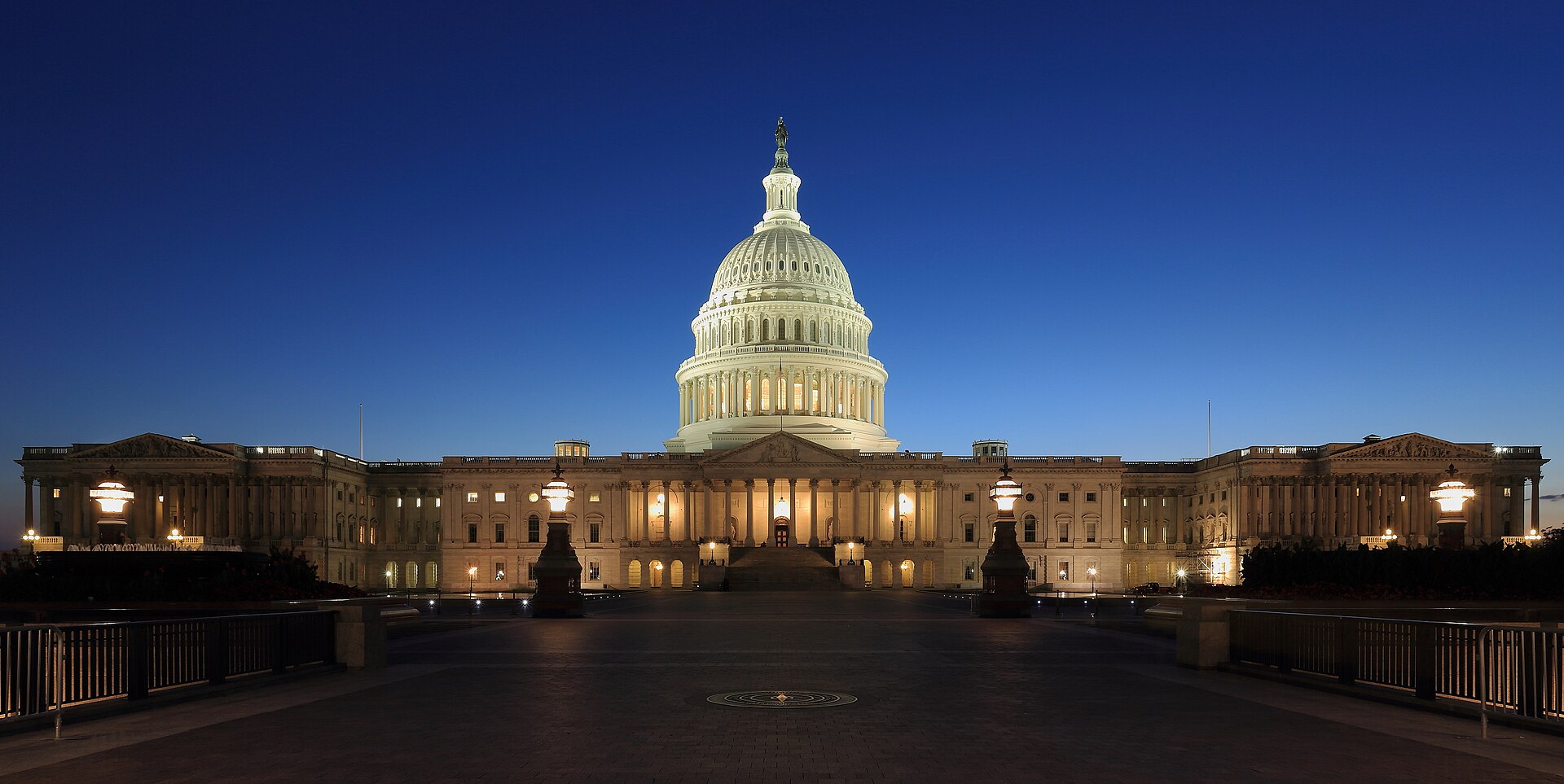
WASHINGTON — The midterm earthquake is still being measured. As counting continued on Friday, the Democratic majority in the House of Representatives reached 253 seats, according to the running tally maintained by Anadolu Agency — a margin built race by race since Tuesday night, when the Associated Press called both chambers for the Democrats and ended two years of unified Republican government in Washington.
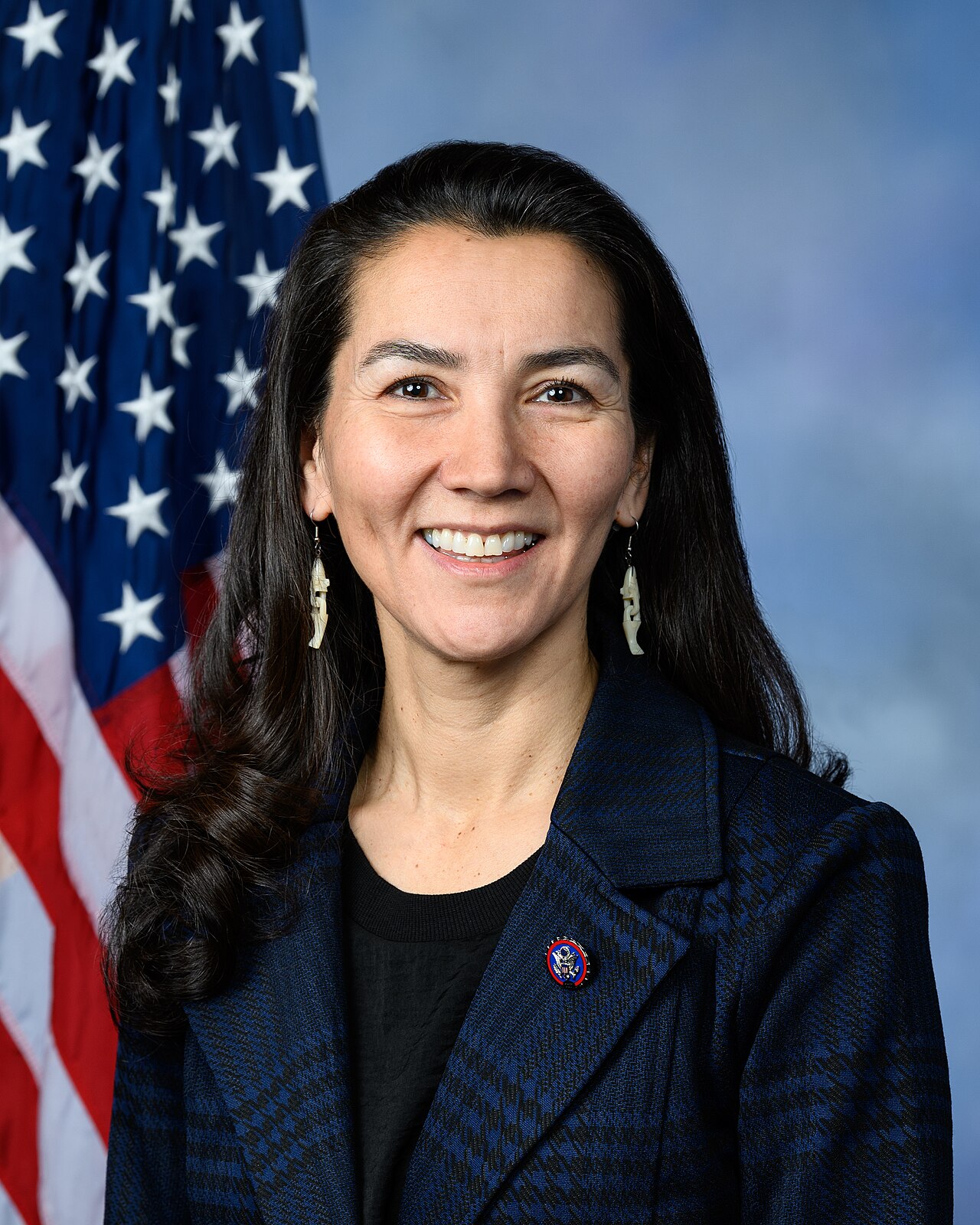
The number will move a little more before it settles; a handful of House races remain uncalled, and two Senate contests — Alaska, where Mary Peltola leads by 626 votes in the latest tally, and Mississippi, where Scott Colom leads by 1,138 — will decide whether the Democratic Senate majority is 55 or 56. But the shape of the new Washington is no longer in doubt, and on Friday its incoming leaders began describing what they intend to do with it.
Schumer draws the judicial line
Senate Democratic leader Chuck Schumer vowed to block the president’s court nominees — the first concrete use of the new majority announced since election night, and a direct collision with a White House that has treated judicial appointments as one of its signature projects. With the Senate’s advice-and-consent power changing hands in January, every pending and future nomination now runs through a chamber controlled by the opposition. The promise sets up one of the first fights of the new Congress, over judges who would serve long after everyone in the current argument has left office.
Jeffries and the gavel
In the House, Democratic leader Hakeem Jeffries of New York announced his run for Speaker, the expected final step in a succession that has been assumed since the early hours of Wednesday morning. The speakership is decided by a vote of the full House among the first acts of the new Congress on January 3, 2027; with 253 seats, Jeffries has the numbers. He would be the first Black Speaker in American history, a milestone his party has been marking since the results came in.
Jeffries inherits a chamber his party last held in 2022 and an agenda built in opposition: investigations into the administration, a legislative program aimed at the cost concerns that powered the wave, and the daily work of being the counterweight to a president who, as of Friday, has a new chief of staff and a shrinking circle of congressional protection.
The other side of the Capitol
The Republican reckoning continued in parallel. Speaker Mike Johnson will not run to lead his party in the minority; Majority Leader Steve Scalise and Judiciary Chairman Jim Jordan declared their candidacies before Friday’s noon deadline, and the conference votes on Tuesday, November 10. In Nevada, one of the week’s quieter firsts became official: Aaron Ford will be the state’s first Black governor.
Three days after the vote, Washington is in the in-between season — the old Congress still seated, the new one already behaving like the government. The counting is nearly done. The arguing over what it means has barely started.
The Facts
- Democrats’ House majority reached 253 seats as midterm counting continued on Friday
- Senate leader Chuck Schumer vowed to block President Trump’s court nominees
- Hakeem Jeffries announced his run for Speaker; he would be the first Black person to hold the gavel
- The new Congress is sworn in on January 3, 2027, and elects the Speaker among its first votes
- Two Senate races — Alaska and Mississippi — remain uncalled and will set the final Senate margin
Sources: Anadolu Agency’s running count of the House tally; CBS News, The Hill and Politico reporting on the Schumer and Jeffries announcements; Associated Press election results.
Comments