CAIRO — Seven people were killed and 112 injured on Sunday when two passenger trains collided in the al-Ayyat district of Giza province, south of Cairo, in the latest deadly accident on Egypt’s rail network — and in the same district as the worst rail disaster in the country’s history.
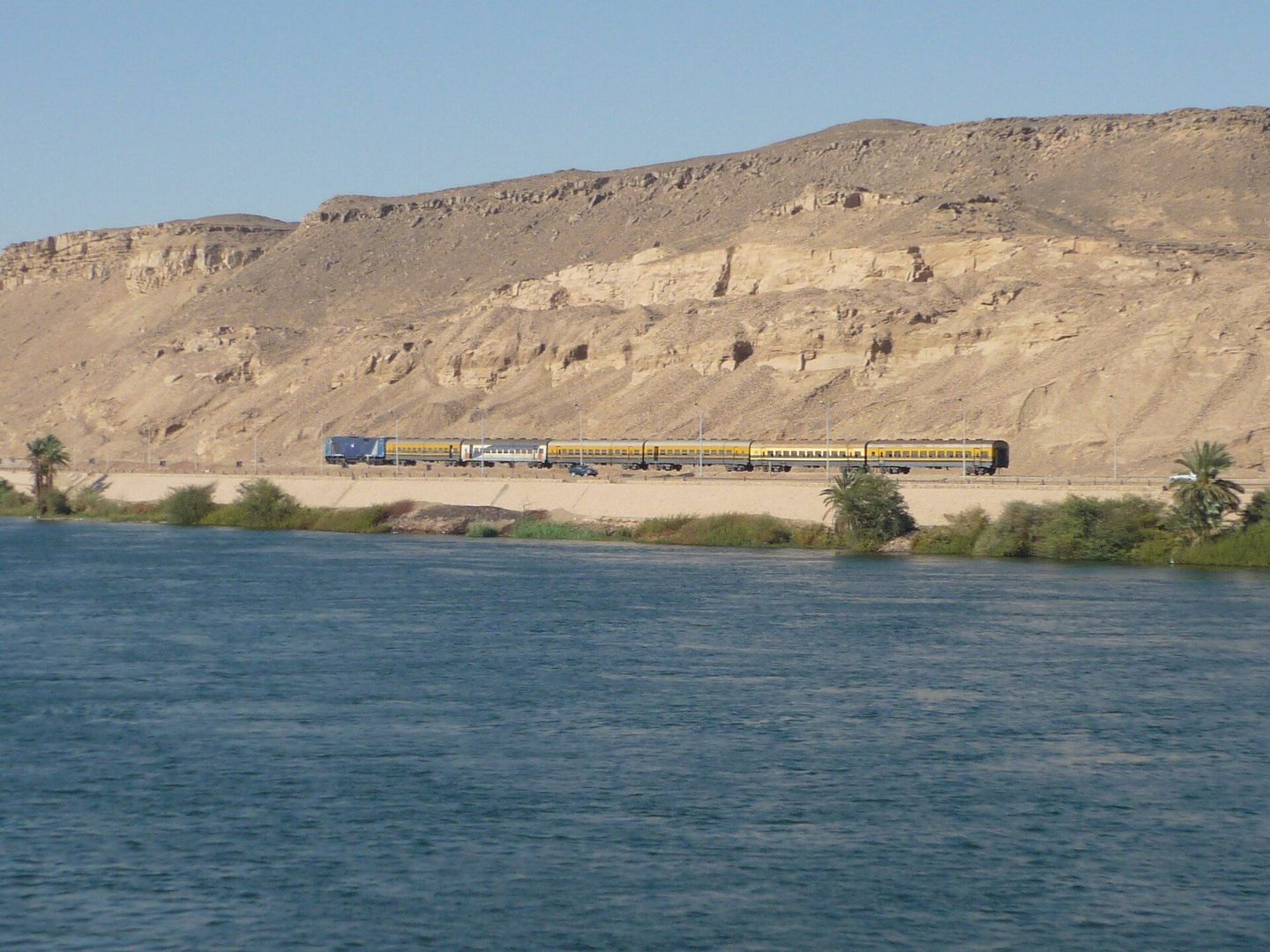
The collision happened between Kafr Ammar and Al-Raqqa stations, about 30 miles (52 km) south of the capital. Egypt’s National Railways Authority said a train travelling from Giza to Fayoum — Train No. 134, a Tahya Misr service — ran into the rear of another passenger train heading from Cairo to Aswan, Train No. 2010. The chief prosecutor’s office said its inspection indicated the Giza–Fayoum train struck the last carriage of the Cairo–Aswan train, which was stationary on the same track and travelling in the same direction. Several carriages were derailed, and photographs from the scene showed one train off the tracks beside a countryside road as crowds gathered and the injured were carried away.
The toll rose through the day
Egypt’s Health Ministry first put the toll at four people killed and 88 injured, then raised it as rescue work continued and the wounded reached hospitals around Giza, ending Sunday at seven killed and 112 injured, the figure the prosecutor’s office also carried in its statement late in the day. Ambulances ferried the injured through the afternoon while heavy cranes were brought in to lift the derailed carriages and clear the line. The railways authority said emergency teams were working to restore services, and trains between Giza and Upper Egypt were suspended, with no timeline announced for the line to reopen.
Investigation ordered
President Abdel Fattah el-Sisi said in a social media post that he had ordered a prompt investigation into the crash, and officials said anyone found negligent would be held accountable. The chief prosecutor’s office said its investigators had arrived at the site on Sunday to examine the technical cause. No official cause had been announced by Sunday evening: the reports established where the two trains were and that one was stationary, but not why the Fayoum train reached it on the same track.
A long roll of disasters
Egypt’s railway system is the oldest in Africa and the Middle East, and it has a long history of deadly accidents, which officials and successive inquiries have repeatedly tied to poor maintenance, ageing equipment and human error on a network that carries millions of passengers. In 2019 a locomotive crashed into a barrier at Cairo’s main Ramses station and its fuel tank ignited, killing 25 people. Al-Ayyat itself carries the heaviest history of all: in 2002 a fire tore through an overcrowded train near the town and killed more than 370 people, the deadliest rail disaster in Egypt’s history. Sunday’s collision, on the same stretch of the country’s main north–south artery, will renew the same questions those earlier inquiries asked — about signalling, maintenance and staffing — and the prosecutor’s investigation, ordered from the presidency on the day of the crash, is where the first answers will have to come from.
The Facts
- Two passenger trains collided on Sunday in the al-Ayyat district of Giza province, about 30 miles (52 km) south of Cairo
- Train No. 134, from Giza to Fayoum, struck the last carriage of Train No. 2010, from Cairo to Aswan, between Kafr Ammar and Al-Raqqa stations; prosecutors said the Aswan train was stationary on the same track
- Egypt’s Health Ministry put the toll at seven killed and 112 injured, raised through the day from an initial four killed and 88 injured
- Several carriages derailed; rescuers and cranes were sent to clear the line, and services between Giza and Upper Egypt were suspended
- President Abdel Fattah el-Sisi ordered a prompt investigation and said anyone found negligent would be held accountable; prosecutors’ investigators reached the site on Sunday
- Al-Ayyat was also the site of Egypt’s deadliest rail disaster, a 2002 train fire that killed more than 370 people
Sources: Egypt’s Health Ministry, the Egyptian National Railways Authority and the chief prosecutor’s office, via the Associated Press, Reuters, CNN and The Guardian, November 8, 2026; train numbers and service details via Ahram Online reporting carried by regional outlets.


Comments