Israel votes on Tuesday, October 27, in its first election since the October 7, 2023 Hamas attack, and the final polls put a party that did not exist 14 months ago ahead of Prime Minister Benjamin Netanyahu’s Likud. N12 News’s survey, published Wednesday, gives Gadi Eisenkot’s Yashar 23 seats to Likud’s 19, with the opposition bloc at 55 seats to Netanyahu’s alliance’s 51. Channel 13 gives Yashar 20 to Likud’s 19, and Eisenkot’s bloc 52 to Netanyahu’s 49. In preferred-prime-minister polling, Eisenkot leads Netanyahu 45 to 35 in one survey and 43 to 38 in another.
The polls do not agree, and the spread is part of the story. Channel 14 projects a majority for Netanyahu’s bloc, 11 to 13 seats higher for his alliance than four competing surveys. A News 16 poll published Thursday gives the coalition 52 and the opposition 50. What every major survey except Channel 14’s shares: neither bloc reaches 61, the working number for a stable coalition in the 120-seat Knesset, with the Arab parties projected at roughly 13 to 14 seats and both leaders constrained in using them.
The Final Polls
- N12 (Oct. 21): Yashar 23, Likud 19; blocs — opposition 55, Netanyahu’s alliance 51.
- Channel 13: Yashar 20, Likud 19; blocs — Eisenkot 52, Netanyahu 49.
- The divergence: Channel 14 projects a Netanyahu-bloc majority; News 16 (Oct. 22) gives the coalition 52, the opposition 50. Outside Channel 14, no survey puts either bloc at 61.
- Head to head: Eisenkot leads Netanyahu as preferred prime minister, 45–35 (Channel 12) and 43–38 (KAN).
- The calendar: vote Tuesday, October 27; exit polls 10 p.m.; official results November 4; then President Herzog’s consultations and the mandate process.
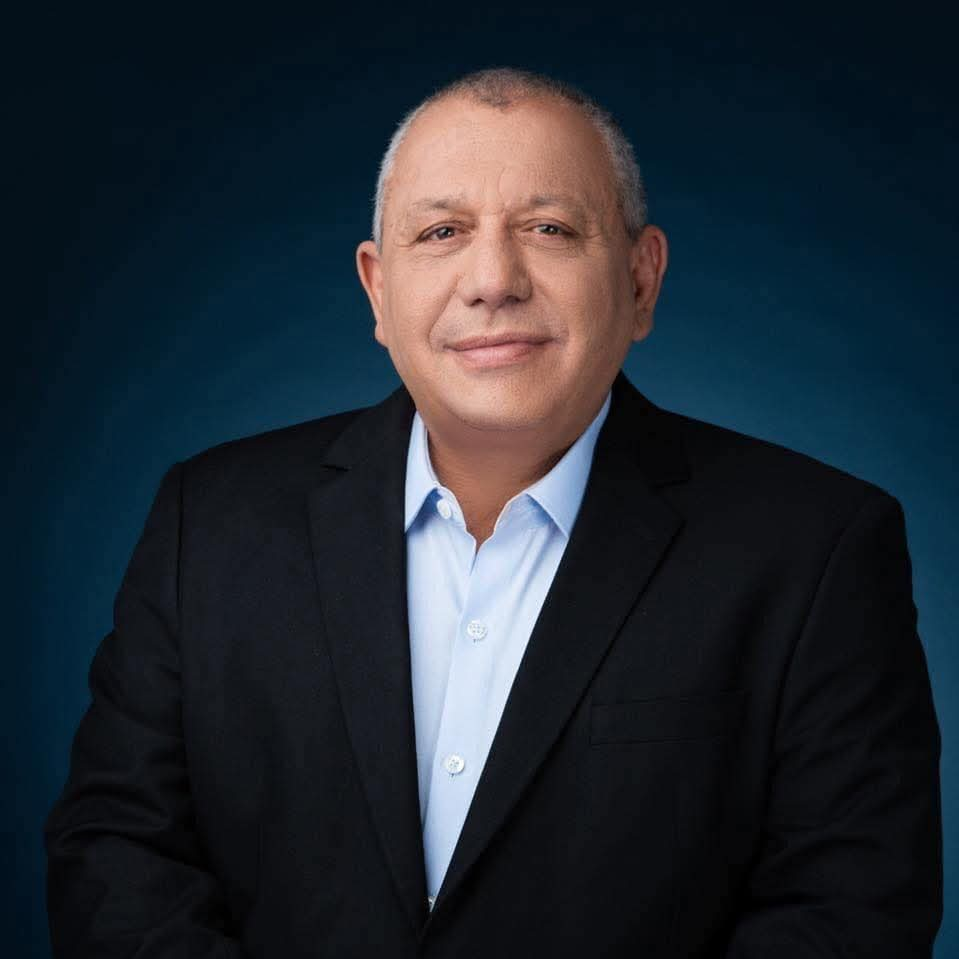
Eisenkot, 66, was the IDF’s chief of staff from 2015 to 2019. He entered the Knesset in 2022 on Benny Gantz’s slate, joined Netanyahu’s war cabinet as an observer after October 7, and quit eight months later, in June 2024, criticizing Netanyahu’s leadership. He left Gantz’s party in June 2025 and founded Yashar — the name means “straight” or “honest” — on September 16, 2025, on a platform of “repair, healing, and hope,” with security above all. The party holds no seats.
His family’s losses in the war he would now direct are a matter of record: his youngest son, Master Sergeant Gal Meir Eisenkot, 25, was killed on December 7, 2023, by an explosive device at a tunnel shaft in Jabaliya, during an operation to recover hostages’ bodies; Eisenkot was in the Gaza Division command room when he was informed. His nephew Sergeant Maor Cohen Eisenkot was killed the next day. A second nephew, Yogev Pazi, was killed in November 2024.
On policy, Eisenkot is a hawk of a different style. He has pledged to destroy Hamas’s military wing within 18 months of taking office, faulting Netanyahu: the goal was set for a year, “over three years have passed, and it hasn’t happened.” He opposes Palestinian statehood — “two states for two peoples is a mistake” — and also opposes formal annexation of the West Bank. He has rejected relying on Arab parties to form a government, and his insistence on compulsory military service makes partnership with ultra-Orthodox parties unlikely; his No. 2, former Shin Bet chief Yoram Cohen, has said Yashar could conceivably sit with Likud without Netanyahu, but not with Itamar Ben-Gvir.
Likud’s campaign answers that Eisenkot could not govern without Arab partners — “How would you destroy Hamas without getting permission from your partners, Mansour [Abbas] and [Ahmed] Tibi?” — and Netanyahu himself has said Eisenkot will “establish a Palestinian state before GTA 6 comes out.” President Trump gave Netanyahu his “Complete and Total Endorsement,” calling him a “Great Warrior Prime Minister”; a Channel 12 poll aired after the endorsement showed no visible boost for the governing bloc. Eisenkot responded: “I have great respect for Trump, but only the citizens of Israel will decide.” The final campaign days are running alongside fresh violence: on Friday, after an attack near Hebron in which Israeli soldiers killed two gunmen, Netanyahu ordered a full closure of the West Bank.
Voting ends at 10 p.m. Tuesday, when exit polls air; official results are expected November 4. President Isaac Herzog then consults the factions and gives the mandate to the member he judges best placed to form a government — not automatically the largest party’s leader. The first candidate gets 28 days, plus up to 14 more; if he fails, a second candidate gets 28 days, and failing that, 61 members have 21 days to nominate someone. If all attempts fail, the Knesset dissolves, new elections follow within 90 days, and Netanyahu remains caretaker prime minister in the meantime.
Sources: The New York Times; Reuters; the Jerusalem Post’s poll reporting (N12, Channel 13, Channel 14, News 16).
Comments