
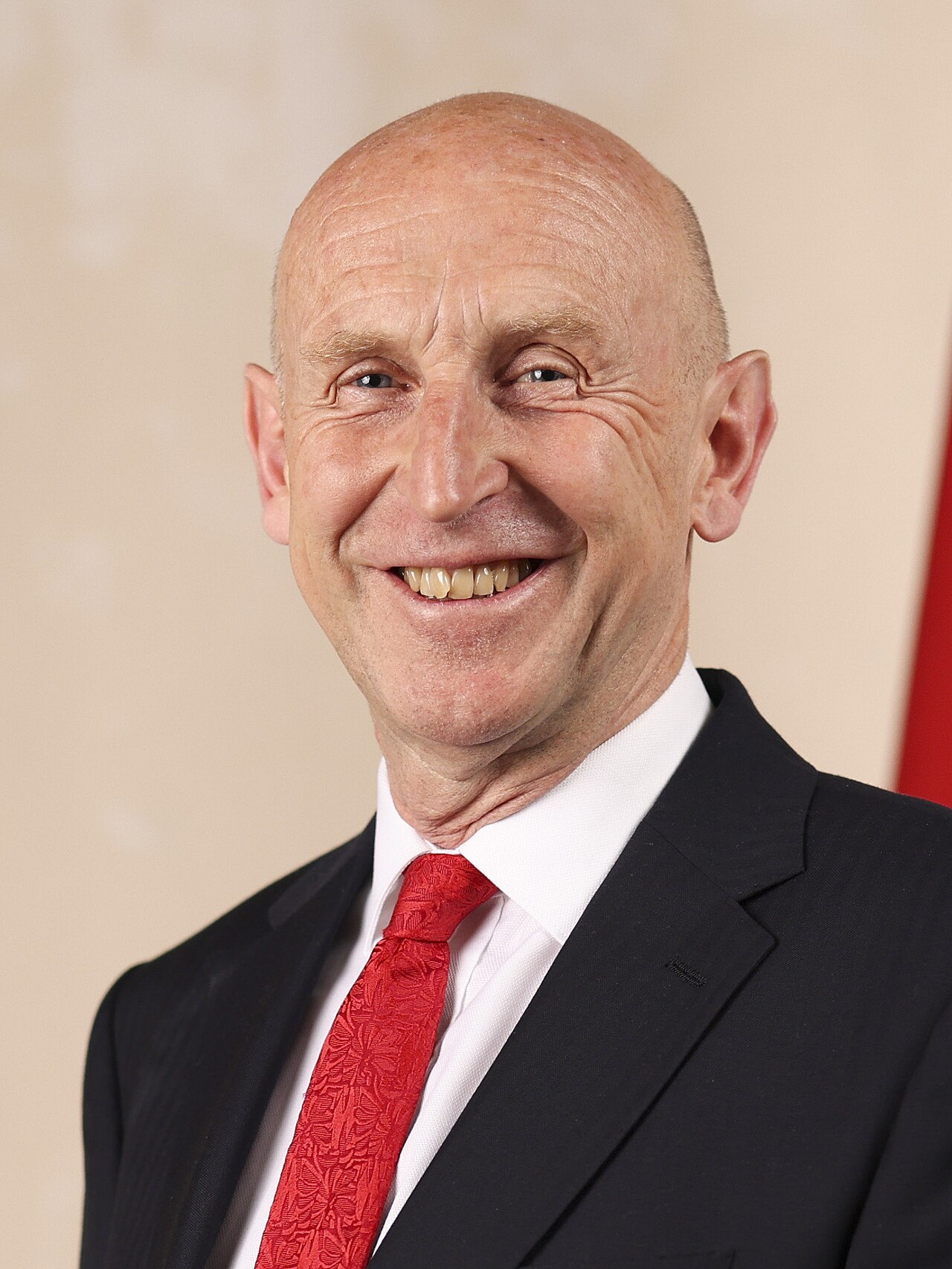
LONDON — Chancellor of the Exchequer John Healey delivered his first Budget on Wednesday, doubling a tax surcharge on banks, giving 20 million households £100 towards their energy bills and scrapping the standing charge on gas bills — while accepting a smaller fiscal cushion, as rising energy prices and borrowing costs squeeze the public finances, Reuters reported.
‘Global Economic Storms’
“This is a budget for the working people of Britain, for British businesses, big and small, delivered at a time when global uncertainties and pressures are swirling worldwide and hitting people here at home,” Healey told Parliament. “A budget built on fiscal discipline, which matches immediate action today, with clear direction for the future.” Analysts spoke of headwinds, he said, “but what we face today are global economic storms,” with trade tensions dragging on global growth and Russia’s invasion of Ukraine approaching the end of its fifth year. The Office for Budget Responsibility, he said, identifies the war in the Middle East as a key driver of the day’s forecasts, and he had chosen to use part of the headroom built up last year “to absorb the impact of the Iran war to protect the economy, and to protect family budgets.”
Energy, Wages And Small Shops
Twenty million households will receive a £100 payment to deal with rising energy bills, and a temporary cut to VAT on electricity bills will be extended until July. Standing charges on domestic gas bills, which currently add around £108 a year, will be scrapped as soon as next year. Fuel duty stays frozen, extending the temporary cut made in 2022 until at least July. Minimum wage rates for workers aged 18 to 20 and for those over 21 both rise by 3.9 per cent. From October 2027, online marketplaces such as Amazon, eBay and Temu will be responsible for collecting the VAT owed by retailers selling on their platforms, helping to fund business-rate cuts for physical stores: small retail, hospitality and leisure businesses will start paying business rates at a rateable value of £18,000 instead of £12,000, which Healey said means 70,000 businesses will not be charged at all. England’s regional mayors will be able to keep 20 per cent of business rates from next year, and a share of income tax from 2028.
Banks And Betting
The bank surcharge — the extra tax lenders pay on profits above a set threshold — doubles from 3 per cent to 6 per cent for 15 months, less than the banks had feared: it partially reverses a cut from 8 per cent made three years ago under the Conservative prime minister Rishi Sunak. Shares in Lloyds, Barclays and NatWest rose between 3.3 and 3.6 per cent on the day. Gambling taxes rise too: Machine Games Duty, levied on the net takings from some slot machines, goes from 20 per cent to 25 per cent, affecting companies such as Entain, owner of Ladbrokes, and Evoke, owner of William Hill and 888. Gambling companies had warned that higher taxes could cost jobs; an analysis commissioned by the Betting and Gaming Council had claimed a doubling of the duty could close up to 1,470 betting shops and cost 15,900 jobs.
Homes And Defence
The government will put £1.5 billion into its social and affordable housing programme, remove biodiversity net-gain requirements from more brownfield sites, and draw a line under regulatory churn: “No major changes to building regulations in this parliament, except where critical for safety.” On defence, a £4.7 billion gap in the Defence Investment Plan will be filled by “reprioritisation” — savings found in other departments — and Healey confirmed target dates of 3 per cent of GDP on defence by 2030 and the NATO commitment of 3.5 per cent by 2035, with the detailed path to be set out in a spending review next year. Healey previously resigned as defence secretary in June over what he viewed as inadequate defence spending; he was appointed Chancellor by Prime Minister Andy Burnham on July 20, succeeding Rachel Reeves. The Budget also pledged more than £10 billion of extra support for Ukraine, most of it through the World Bank and export credit, with £500 million scored as new military spending.
The Numbers, And The Reaction
The OBR put headroom against the government’s stability rule at £15 billion in 2029/30, in line with expectations but below the £23.6 billion of March, rising to £22 billion in 2030/31. Borrowing falls from 4.2 per cent of GDP this year to 1.8 per cent by 2030/31. Growth for 2026 was upgraded slightly, to 1.2 per cent, but the 2027 forecast was cut to 1 per cent, down from 1.6 per cent in March, before recovering to 1.8 per cent in 2029. Markets barely moved: the ten-year gilt yield eased two basis points to 5.323 per cent, the pound slipped 0.1 per cent to $1.3298, and the FTSE 100 rose 0.1 per cent. “It was meant to be a steady as you go budget. The bond market is calling it a very boring budget,” said Kathleen Brooks, research director at XTB. The opposition was less kind: Conservative leader Kemi Badenoch said Healey had been handed a “hospital pass” by his predecessor and had “a big job to do, cleaning up her mess,” while Reform UK’s shadow chancellor Robert Jenrick posted, within minutes: “Is that it?”
The Budget — In Short
John Healey’s first Budget doubles the bank profit surcharge to 6% for 15 months, pays £100 to 20 million households for energy bills, extends the electricity VAT cut, promises to scrap gas standing charges, raises the minimum wage 3.9%, raises Machine Games Duty to 25%, and puts £1.5 billion into affordable homes. The OBR cut 2027 growth to 1% and put the fiscal headroom at £15 billion; markets shrugged.
Sources: Reuters; BBC; HM Treasury and Office for Budget Responsibility figures as reported — reporting of October 28, 2026.
Comments