
The United States and Israel have drawn up specific plans for renewed airstrikes on Iran to begin after the November 3 midterm elections, The New York Times reported Thursday, citing unnamed U.S. officials and people briefed on the deliberations. The Daily presents this story as what it is: a report of plans, sourced to officials who were not named. No operation has been approved.
According to the Times, planners in both militaries have shaped a campaign of about three days, described as short but intensive. The reported target list covers Iran’s energy infrastructure, its nuclear facilities and its missile and drone arsenal, and could include a strike on Pickaxe Mountain, a deeply buried nuclear-related site. Some U.S. planners believe a campaign of that length could damage Iran’s economy enough to force concessions on its nuclear program; other officials told the paper that refineries and oil infrastructure would be avoided to limit the effect on gasoline prices. Both militaries have stepped up exercises in recent weeks, flying over Iraq to rehearse strike maneuvers, and a U.S. buildup that includes three aircraft carriers is expected to be fully in place by early November. The officials described the threat itself as leverage in negotiations over Iran’s nuclear program and the Strait of Hormuz.
What stands between the plans and an order is the president. The Times reports that President Trump has repeatedly vetoed a return to major combat this year — most recently earlier this month, when both militaries were nearly ready — and on October 8 he publicly pledged not to attack Iran before the midterms. Officials told the paper they see a small chance of an October order but judge the period after the vote more likely, and described day-to-day whiplash among the planners. The White House declined to comment on plans “that may or may not exist.” Prime Minister Benjamin Netanyahu called reports that he is pushing for attacks while the president holds him back “incorrect.”
Two related items are confirmed on the record. Defense Secretary Pete Hegseth met Netanyahu on Monday at Ovda Air Base in Israel; Hegseth confirmed the meeting and declined to discuss its content, and President Trump, asked about the deliberations, said: “We just have to make a final decision of which way do we want to win.” Separately, the State Department ordered non-emergency staff and family members to leave Saudi Arabia, spokesman Tommy Pigott said Wednesday, citing Houthi attacks on Saudi airports and infrastructure.
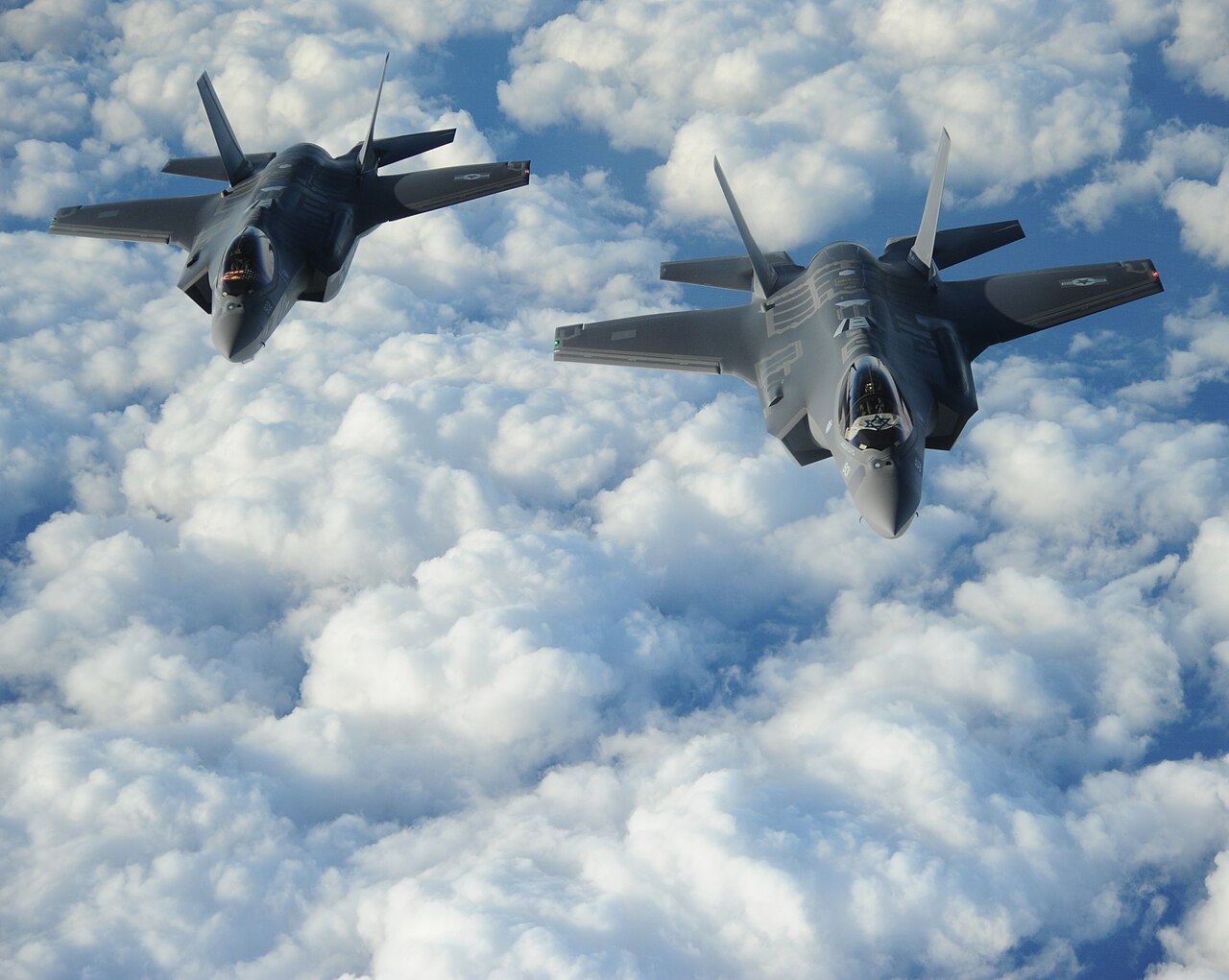
Axios reported a further movement the same Monday: dozens of Israeli Air Force jets and tanker aircraft flew through Syrian and Iraqi airspace as far as the Iranian border and turned back, in what its sources called a power-projection training exercise, with the United States notified in advance. Axios’ sources said the sortie was not connected to Hegseth’s visit. The Israel Defense Forces had not commented publicly on the flight.
From the Iranian side, the Revolutionary Guard’s navy said Thursday that four vessels involved in oil transfers in the northern Persian Gulf were hit and set afire, and that three more vessels struck mines west of the Strait of Hormuz. The claim, carried by Reuters, is Iran’s account and had not been independently confirmed.
The background the plans sit against: the 2026 war opened on February 28 with a joint U.S.–Israeli air campaign, ran to an April ceasefire and a June memorandum signed at Islamabad, and collapsed in July; since then the conflict has mostly been a tanker war under a U.S. blockade, with the last confirmed large U.S. strike wave on September 1. The International Atomic Energy Agency says Iran held 440.9 kilograms of uranium enriched to 60 percent before the strikes, that its inspectors remain barred from the bombed sites, and that Director General Rafael Grossi believes more than 200 kilograms of the 60 percent material remains at Isfahan. On September 9 the agency’s board voted 23–3 to report Iran to the U.N. Security Council. Neither the agency nor Israel alleges Iran is currently enriching uranium.
The Facts
- REPORTED (New York Times, unnamed officials): specific strike plans for after November 3; a campaign of about three days; targets including energy infrastructure, nuclear facilities, the missile and drone arsenal, possibly Pickaxe Mountain.
- REPORTED: rehearsal flights over Iraq in recent weeks; a U.S. buildup including three aircraft carriers in place by early November.
- CONFIRMED: the Hegseth–Netanyahu meeting at Ovda Air Base on Monday; the State Department’s ordered departure from Saudi Arabia (spokesman Tommy Pigott, October 21).
- ON THE RECORD: President Trump’s October 8 pledge of no attack before the midterms; the White House declined to comment; Netanyahu called reports he is pushing for attacks “incorrect.”
- CLAIMED, NOT CONFIRMED: Iran’s Revolutionary Guard says four vessels were hit in the northern Gulf and three struck mines west of Hormuz (via Reuters).
- IAEA: 440.9 kg of 60%-enriched uranium before the strikes; inspectors barred from bombed sites; board voted 23–3 on September 9 to report Iran to the U.N. Security Council.
Sources: The New York Times (October 22, 2026); Axios; Reuters; U.S. State Department; International Atomic Energy Agency.
Comments