Gunmen opened fire during a funeral at the Hammoud Greek Orthodox church in Hamoud, a village in Jordan’s southern Karak governorate, on Friday, killing seven people and wounding 34, Jordanian officials said. Between 150 and 200 mourners were inside the church when the shooting began.
Survivors said they heard an explosion as the funeral procession was starting, and that masked attackers then broke into the church and fired for several minutes. State television aired CCTV footage showing three gunmen — two carrying pistols and one a semiautomatic rifle. A funeral attendee, Khaled Burqan, told the state broadcaster Al-Mamlaka that he saw one assailant with a pistol and another with a rifle. The gunmen fled the scene, security forces deployed to the church, and a manhunt was still under way on Friday evening.
At an evening briefing, Maj. Gen. Obeidallah Maaytah, Jordan’s director of public security, confirmed seven dead and 34 wounded, and said 27 of the wounded were still being treated in hospital. Health Minister Ibrahim al-Budour said two of the wounded were in critical condition. The toll moved during the day: the dead were first reported as six, and early counts put the wounded far below the evening figure. Maaytah pledged that “the perpetrators will be caught and our national unity will not be hit.”
Interior Minister Mazen al-Faraya called the attackers “a group of extremists” and the attack “unprecedented,” and described it as a terrorist act. The group, he said, had “no relationship to humanity.” He added: “This country will never be dragged into terrorism and violence,” and “Jordanians have never seen something like this before.”
Prime Minister Jafar Hassan, in remarks carried by the state news agency Petra, said the attack grew out of takfir ideology — the practice of declaring other Muslims apostates, which extremist groups use to justify attacks on them. At a security meeting in Karak on Friday evening, Hassan described the attack as the product of terrorist ideology and blind extremism, said those responsible would be punished, and said legal measures would be taken against anyone seeking to spread extremism.
King Abdullah II said on X that Jordan “will confront the terrorist act that targeted Karak with the harshest penalties,” and offered his “deepest condolences to the families of the martyrs, and our wishes for recovery to the wounded.” In the same post he wrote: “The blood of Jordanians is precious, and we will strike with an iron fist against anyone who overreaches against this country.” The king visited the injured at Prince Ali Bin Al Hussein Hospital in Karak.
Condemnation came from outside Jordan. The United Arab Emirates’ foreign ministry condemned what it called “terrorist and criminal acts” and said it rejects all forms of violence that aim to undermine security and stability. U.N. Secretary-General António Guterres condemned the attack, and his spokesman, Stéphane Dujarric, said: “It goes without saying that an attack not only on a place of worship but during a funeral procession is especially heinous.” Dujarric said places of worship must be places of peace and safe for all, that the U.N. stands in solidarity with Jordan, and that Guterres called for those responsible to be found and held to account. Mike Waltz, the U.S. ambassador to the United Nations, said: “Attacks on Christians continue to escalate worldwide and must be stopped.” Lebanon, Syria, Egypt and Oman also condemned the attack. Ahmed al-Tayeb, the grand imam of Al-Azhar in Cairo, offered condolences to the victims’ families and called the shooting a “heinous terrorist attack.” Iraq’s foreign minister, Fuad Hussein, called his Jordanian counterpart and affirmed Iraq’s solidarity with Jordan in the face of terrorism.
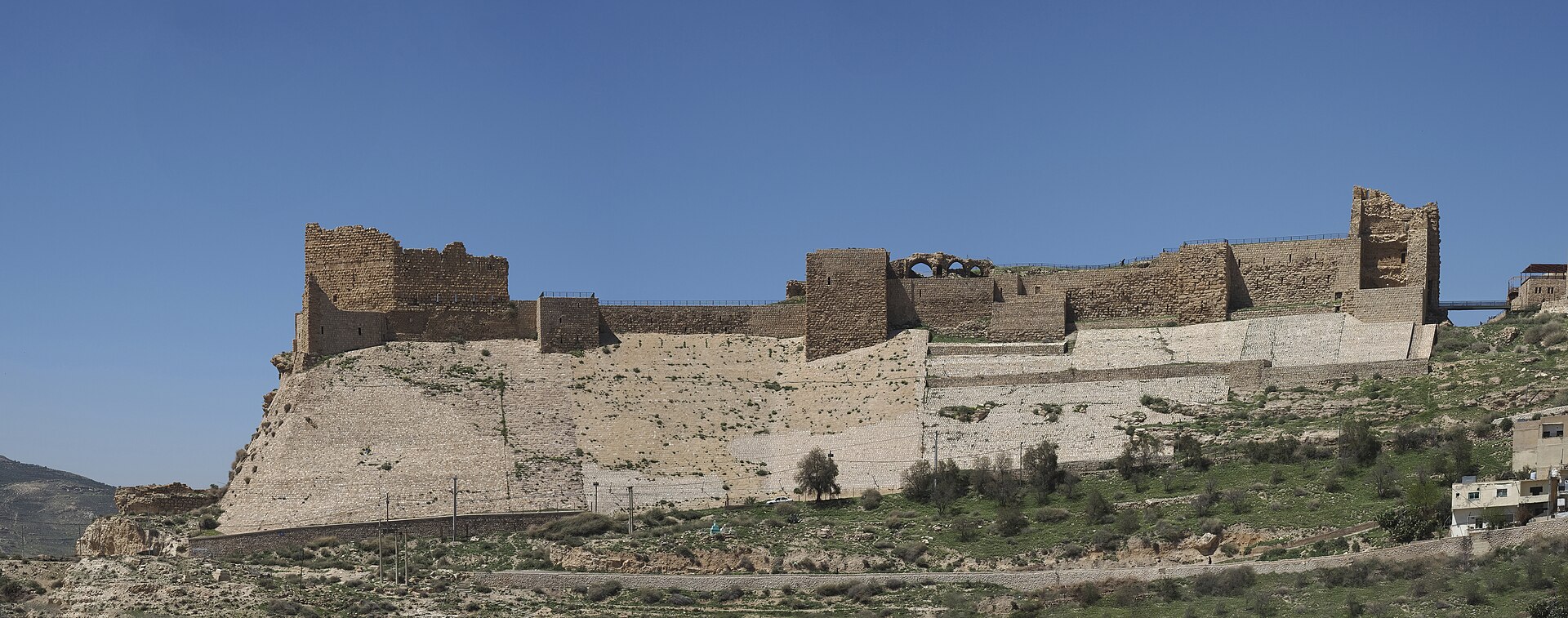
Karak has been attacked before. On December 18, 2016, gunmen shot at police responding to a call in Qatraneh, in the Karak district, attacked a police station in Karak, and then holed up in the city’s Crusader-era castle, taking tourists hostage. By the time Jordanian forces killed the four gunmen and ended the siege that night, 10 people were dead — seven security officers, two Jordanian civilians and a Canadian tourist — and 34 people were wounded. Police found suicide belts and other explosives in the gunmen’s hideout. The Islamic State claimed responsibility for the 2016 attack two days later.
No group had claimed responsibility for Friday’s attack as of Friday evening, and officials had not named the gunmen or said how many attackers they were still seeking.
The Facts
- The attack: Friday, during a funeral at the Hammoud (also spelled Hmoud) Greek Orthodox church in Hamoud, Karak governorate, Jordan, with 150 to 200 mourners inside.
- The toll: 7 killed and 34 wounded, per the public security director’s evening briefing; 27 of the wounded still in hospital, 2 of them critical.
- The gunmen: three men, seen on CCTV with two pistols and a semiautomatic rifle; they fled, and a manhunt is under way.
- The response: the interior minister called it a terrorist act by “a group of extremists”; the king promised Jordan will respond “with an iron fist” and visited the wounded.
- The condemnation: the UAE condemned “terrorist and criminal acts”; U.N. Secretary-General António Guterres, through his spokesman, called an attack during a funeral procession “especially heinous” and called for those responsible to be held to account.
- The history: on December 18, 2016, gunmen attacked police in Karak and holed up in the city’s Crusader-era castle; 10 people were killed and 34 wounded; the Islamic State claimed responsibility two days later.
- No group had claimed responsibility as of Friday evening.
Sources: The Associated Press; CNN; Al Jazeera; The Guardian; Jordan’s Public Security Directorate briefing; Petra.
Comments
Loading comments…