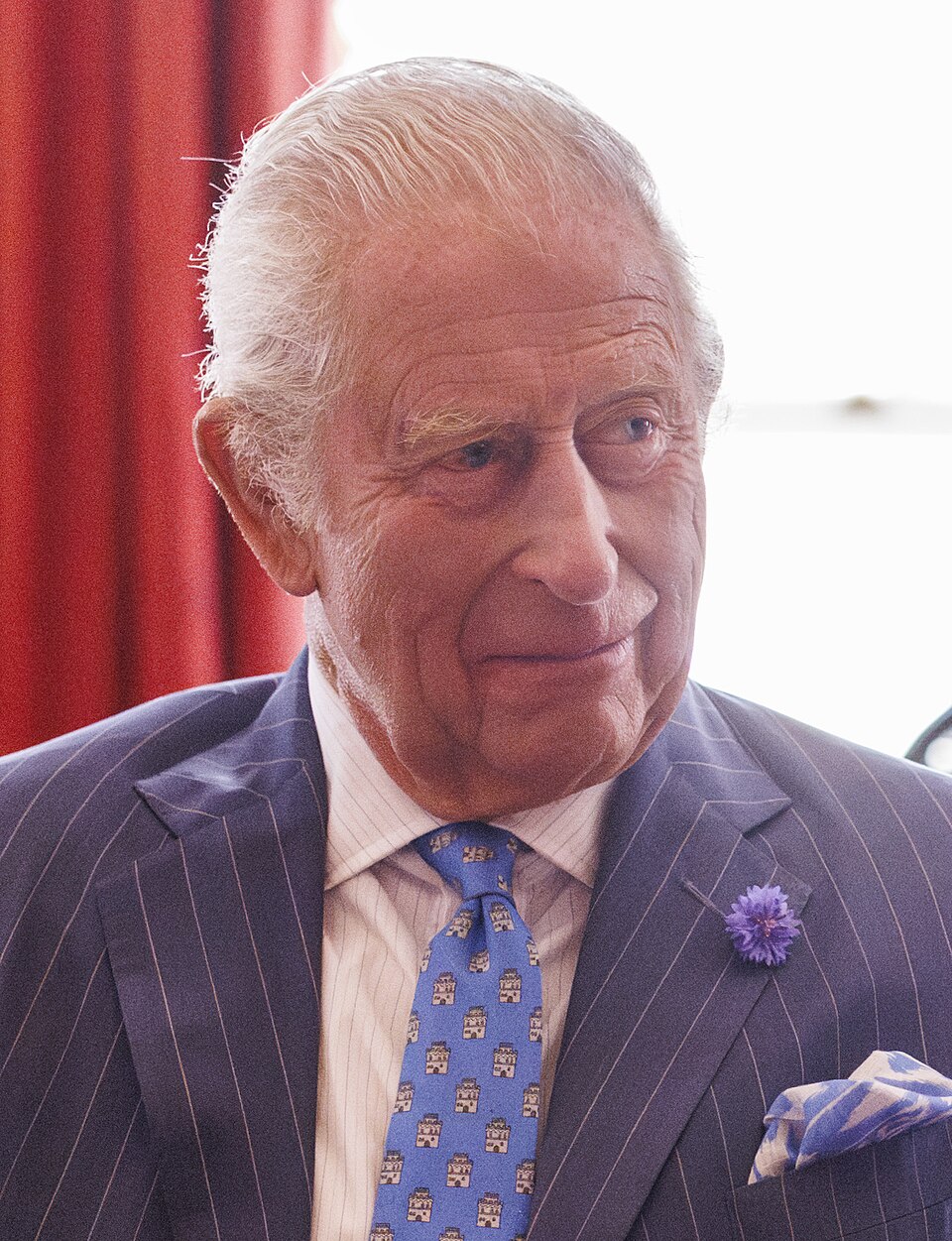
ST JOHN’S, ANTIGUA AND BARBUDA — The King will address Britain’s role in the transatlantic slave trade with “unflinching honesty” and “sincere sorrow” when he opens the Commonwealth Heads of Government Meeting in Antigua on Tuesday, Buckingham Palace has confirmed — in a speech the Palace says has not been changed since the Prime Minister opened the door to a formal British apology for slavery on Friday. The Sunday newspapers made the collision their lead story: the Sunday Express front page, in the BBC’s review of the papers, accused Andy Burnham of having “let down the King,” and the Mail said his pledge had sparked a new reparations row and thrown the King’s Caribbean tour into confusion.
What The Palace Said
A Buckingham Palace spokesperson said: “As we have indicated, the King will not shy away from confronting the most shameful aspects of the past during this visit. You may therefore expect him to address them in his speech with unflinching honesty, sincere sorrow, and respect for the wider discussions that will be taking place between relevant governments on this issue at CHOGM and beyond. He will be speaking at CHOGM in his capacity as head of the Commonwealth. It would not be appropriate for him to address matters of particular policy relating to the UK Government’s position.” The Palace said the King’s speech will mainly follow the summit’s agenda — “Accelerating Partnerships and Investment for a Prosperous Commonwealth” — and that it was informed of the Government’s change of position in a timely manner, with no changes needed to the speech or the programme. No apology is expected from the King himself: a formal apology, the Palace’s position holds, is a matter for the Government.
What Burnham Did
Writing in the Guardian on Friday, the Prime Minister said: “We are offering a structured dialogue with those affected by the transatlantic slave trade. Listening to calls for a formal apology on behalf of the British state will form an important part of this process and I am open to them.” He called the trade “a brutal and barbaric violation,” expressed “my sorrow and regret for the pain and suffering of so many millions,” and recognised the way it still shapes the world today. But he ruled out financial reparations: “I do not think that British people today can be held liable for historical wrongs, however heinous, that happened in a different age under different laws and in which they played no personal part.” The Times reported that he instead suggested a programme of debt restructuring for the poorest Commonwealth countries, led by former prime minister Gordon Brown. Britain has never formally apologised for its role in the slave trade. Chancellor John Healey defended the Prime Minister on the BBC on Sunday, saying he was “open to a discussion” and that it was “the right thing, particularly ahead of the Commonwealth heads conference.”
The Pushback
The opposition parties moved within a day. Conservative leader Kemi Badenoch warned on Sky News on Sunday that a formal apology would invite demands for reparations: “I don’t think that Andy Burnham needs to be apologising because it is a lever to wedge open the door to ask for cash.” Reform UK’s Nigel Farage said of the apology idea: “I say no. I say enough.” Caribbean nations had already renewed their calls for an apology and reparations before the King left Britain for the nine-day tour, and leaders from across the region have repeated them during it.
The Tour Reaches Its Point
This is the moment the Daily flagged on October 25, when the tour was called the biggest risk of the King’s reign: the slavery question was always going to meet him in the Caribbean. Charles, 77, began the tour in the Bahamas, where he told a youth rally in Nassau on Tuesday that he acknowledged “the great suffering of the past,” continued to a state visit to Guyana, and arrived in Antigua and Barbuda on October 30. The Commonwealth summit runs from November 1 to 4 and brings together the association’s 56 member nations; the King, as its head, opens it on Tuesday, with Burnham attending alongside him. Whatever the speech says, it will now be heard twice over — once as the King addressing the Commonwealth family, and once against a British government that has just shifted its ground beneath him.
The King In Antigua — In Short
Buckingham Palace says the King will address slavery with “unflinching honesty” and “sincere sorrow” when he opens the Commonwealth Heads of Government Meeting in St John’s, Antigua, on Tuesday, speaking as head of the Commonwealth; no apology is expected from him, and his speech is unchanged. Prime Minister Andy Burnham wrote in the Guardian on Friday that he is open to a formal British apology through a structured dialogue, while ruling out reparations. The Sunday Express accused Burnham of letting down the King; Kemi Badenoch warned an apology would open the door to cash demands, and Nigel Farage rejected the idea outright.
Sources: Buckingham Palace statement, reported by PA Media (Radio NewsHub) and The Times, November 1, 2026; the Guardian, October 30, 2026 (the Prime Minister’s article); BBC News review of the Sunday papers, November 1, 2026; Sky News, November 1, 2026; Hello Magazine, November 1, 2026.
Comments