
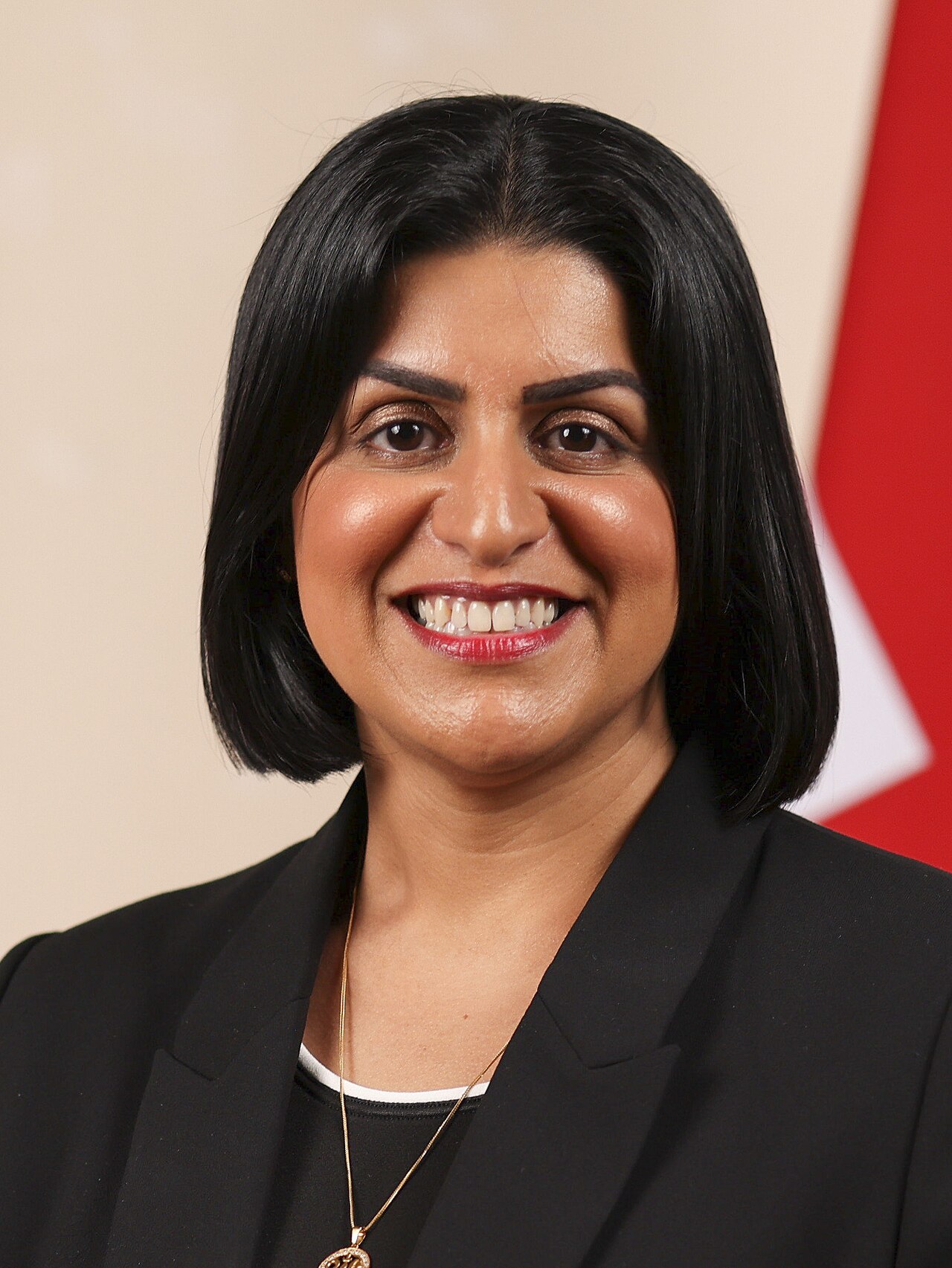
LONDON — The standard wait for a migrant to settle permanently in Britain will double from five years to ten, the Home Secretary, Shabana Mahmood, told the House of Commons on Monday — but the toughest part of her original plan has been dropped. The proposed 15-year wait for lower-paid workers has been abandoned altogether, and most migrant care workers already in the UK will keep their five-year route to indefinite leave to remain, after a months-long consultation drew more than 200,000 responses and open dissent inside the Labour Party.
What Mahmood Announced
Under the “earned settlement” framework set out in the government’s response to the consultation, the qualifying period will depend on earnings and sector. The highest earners — those making £125,141 or more, sustained over the years before applying — and arrivals on the top talent schemes could settle after three years. Five years remains the route for those earning £50,271 or more, for doctors, nurses and teachers, for Hong Kong British National (Overseas) holders, and for qualifying care workers. Ten years becomes the standard for everyone else. Migrants who have breached immigration rules, or who continue to rely on public funds, face at least 20 years; refugees who arrived outside approved routes wait 20 years, or 10 if in work or study, and clandestine entrants up to 30. Every applicant must also have no criminal record, speak English to B2 standard, owe no debt to the government, pass the Life in the UK test, and — on the ten-year route — show earnings of at least £12,571 in five of the seven years before applying. The ten-year Long Residence route, under which time as a student or graduate counted towards settlement, will close.
The Care-Worker Retreat
About 250,000 people, including dependants, entered or switched into the social care route between 2022 and 2025, and the consultation proposal would have made many of them wait up to 15 years. The government’s answer divides them in two: care workers who joined the route before the May 2025 white paper, complied with their visa conditions and earn £25,000 a year or more keep the five-year path — about 146,000 of the roughly 196,000 care workers in scope, on the Home Office’s own illustrative figures. The rest may apply for a further five-year visa restricted to genuine work in the sector. The Home Office expects between 1.3 and 2.2 million people to settle between 2026 and 2030, and calculates that more than 500,000 of them will now settle later than they would have under the current rules.
The Backdrop, And The Politics
The reforms land as net migration falls sharply: official figures put it at 171,000 last year, roughly half the year before and far below the record 944,000 of 2023, while small-boat arrivals to October 31 stood at 22,128, some 40 percent lower than the same period in 2025. Mahmood’s original proposals provoked Housing Secretary Angela Rayner to describe retrospective changes as un-British and the Trades Union Congress to vote for their withdrawal; Prime Minister Andy Burnham backed the principle that settlement should be earned while praising foreign care workers. On Monday the Conservatives attacked from the other side: shadow home secretary Chris Philp said Mahmood had caved, and that a year spent building a tough reputation had been dismantled in twelve minutes. Nothing has changed in law yet — the published rules still specify five years, and applications made today are decided under them. The new framework takes effect only when the Immigration Rules are laid, which is expected within weeks, with the first large cohort of 2022 arrivals reaching five years in February 2027.
Earned Settlement — In Short
Home Secretary Shabana Mahmood told the Commons on Monday that the standard route to permanent settlement in Britain will double from five years to ten under an “earned settlement” system, with three years for the highest earners and five for higher earners, doctors, nurses, teachers and qualifying care workers. The proposed 15-year wait for lower-paid workers was abandoned, and care workers who arrived before the May 2025 white paper and earn £25,000 or more keep the five-year route. Breaches of the rules or reliance on public funds mean at least 20 years. The rules have not changed in law yet.
Sources: BBC News, November 2, 2026 (Commons statement and explainer); Reuters, November 2, 2026; the Government Response to the “Fairer Pathway to Settlement” consultation, November 2, 2026, as reported and analysed November 2, 2026; House of Commons Library briefing on earned settlement.
Comments