
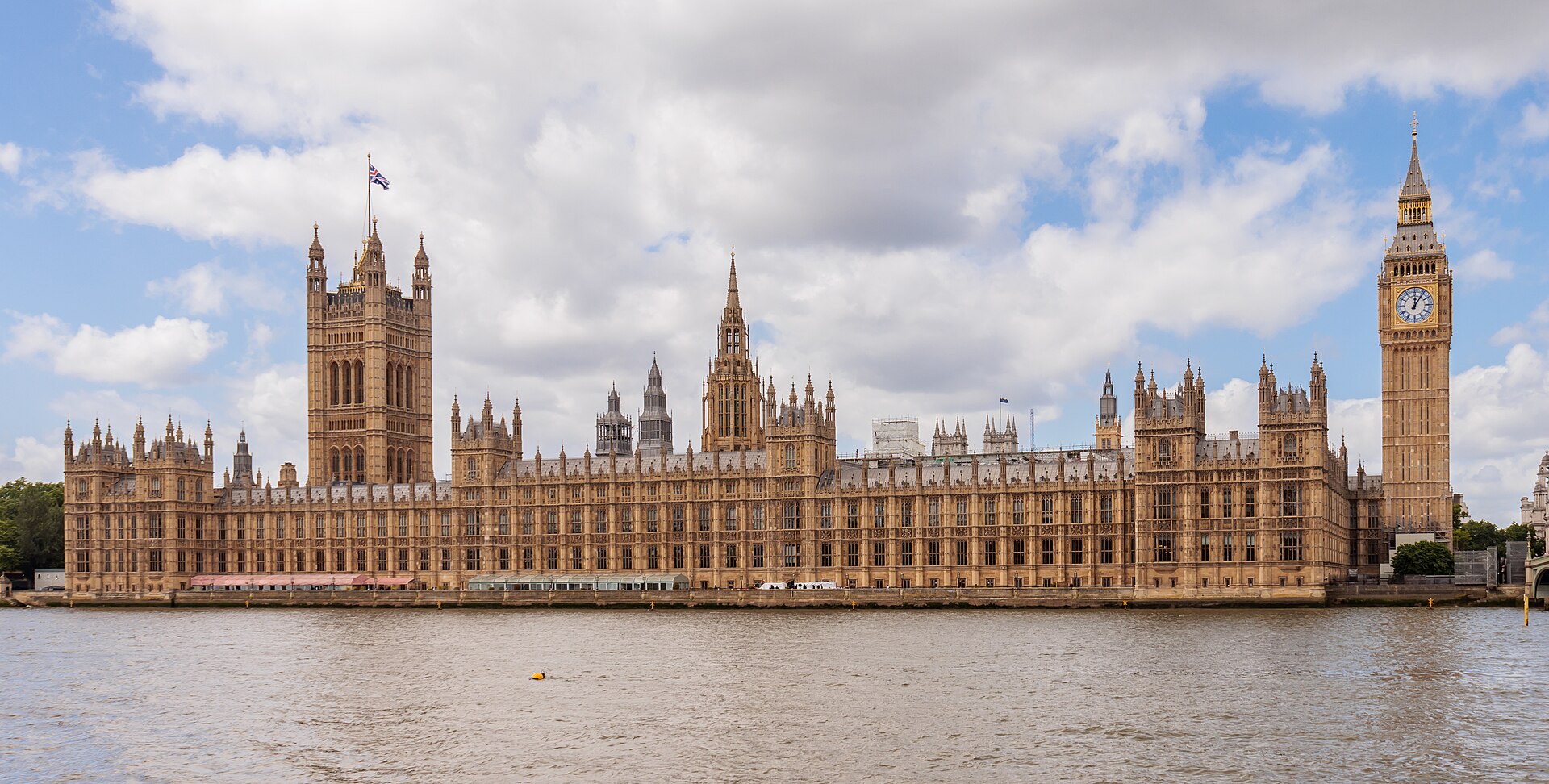
LONDON — The Palace of Westminster faces a “significant risk” of a catastrophic fire like the one that engulfed Notre Dame in Paris if MPs do not commit to a restoration costing up to £16 billion, the House of Commons Public Accounts Committee has warned in a report published on Wednesday.
The committee, which oversees government spending, said delays to the long-deferred restoration and renewal programme risked a “catastrophic event” which “endangers lives and interrupts the functioning of democracy in the UK.” Without action, it said, the best case is that the historic building crumbles into “managed decline.”
The palace is Grade I listed and sits within a Unesco world heritage site. It is also, by the committee’s account, failing: mechanical and electrical systems are breaking down, fire safety is a standing concern, masonry is falling and the building carries high levels of asbestos. About 5,000 MPs, peers and staff work in the palace, and in a typical year a million visitors pass through it.
Keeping it safe already costs about £1.5 million a week in maintenance and running repairs, a figure the report expects to rise to about £2 million a week between 2026 and 2030. Fire patrols walk the building around the clock. Every additional year of delay, the committee estimates, adds almost £420 million to the eventual cost of the restoration.
‘Flames Coming Out Of The Roof’
Sir Geoffrey Clifton-Brown, the committee’s chair, said the figures for renewing the palace were “extremely high” but that MPs could no longer “kick the can down the road.” “We could wake up one morning and see flames coming out of the roof rather like Notre Dame,” he said. “They have 24-hour fire patrols around this place just to make sure that no fires are broken out. They could have the state opening of parliament and we go and turn all the floodlights on and the whole electricity goes phut.”
The report spells out the same risk in formal language: a lack of action could leave the chamber “plunged into darkness during the State Opening of Parliament” — or worse, produce “global rolling news footage of Notre-Dame-like flames licking out of the building’s roof, resulting in the destruction of our heritage, or worse, injuries or loss of life.”
The Options, And The Bill
Four approaches to the restoration have been examined, with estimated costs running from £11 billion to £56 billion. The option the committee treats as most cost-effective is a full decant — moving MPs, peers and staff out of the palace entirely while the work is done — priced at between £11 billion and £16 billion and expected to take 19 to 24 years. A partial decant, keeping part of the building in use, could take more than six decades and cost close to £40 billion.
MPs were expected to vote on the programme’s direction earlier this year; the votes have been delayed. The palace they are deciding about is itself the product of a fire: the medieval parliament burned down in 1834, and the building that replaced it — Charles Barry’s palace, with its 1,100 rooms — has had its core services renewed piecemeal ever since. The committee’s message is that the piecemeal era has run out: the choice is between paying for the restoration or paying more, every week, to stand guard over the risk.
The Westminster Fire Risk — In Short
The Public Accounts Committee’s report, published Wednesday, warns of a significant risk of a catastrophic, Notre Dame-style fire at the Palace of Westminster without a full restoration. Patch-up maintenance already costs about £1.5 million a week, expected to reach £2 million a week between 2026 and 2030, with 24-hour fire patrols on duty. Each year of delay adds about £420 million. Options run from £11 billion to £56 billion; a full decant — everyone out for 19 to 24 years — is the most cost-effective at £11–16 billion. Votes on the programme, expected earlier this year, have been delayed.
Sources: The Times, November 4, 2026; Sky News, November 4, 2026; The Guardian, November 4, 2026; House of Commons Public Accounts Committee, report on the restoration and renewal of the Palace of Westminster, November 2026.
Comments