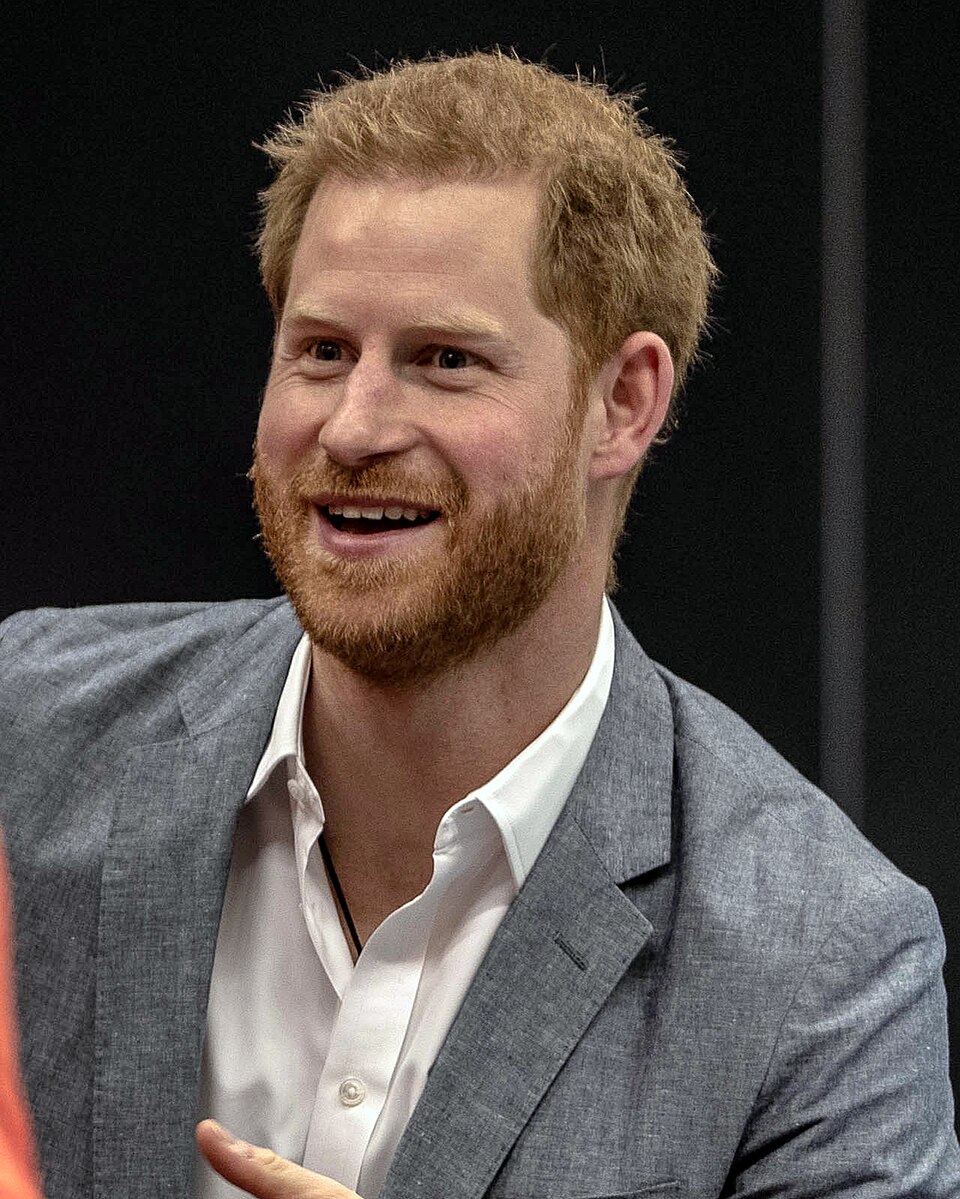
LVIV — Prince Harry has said he would return to the British Army “100 per cent” if his country needed him, in an interview recorded during an unannounced visit to Ukraine and released in full on Thursday. The Duke of Sussex, 42, made the remarks to The Telegraph’s Ukraine: The Latest podcast in Lviv, where he met wounded Ukrainian troops and watched trials for Ukraine’s team for the 2027 Invictus Games — the fourth visit he has made to the country since Russia’s full-scale invasion in 2022. Asked about the growing threat from Russia, he did not hedge. “If asked to sign up again, if the need is there, then I will 100 per cent be there to serve my country alongside my fellow veterans and service personnel,” he said. “I think we should all be nervous, absolutely. And I think we should be prepared, and I think that those of us that have served should be ready to serve again.” The comments led the front pages of several of Thursday’s newspapers.
‘We Have Been At War For The Last Decade’
Harry’s argument went further than a personal willingness to serve. Britain, he said, has in his view already been in conflict with Russia for years, whether or not it is described that way. “Just because there’s not drones, bullets, and rockets flying at us, it doesn’t mean that we’re not at war,” he said. “I feel like we’ve been at war for the last decade.” He said the threat from Russia has been consistently there for the last fifteen years, that Europe has woken up to it, and that his biggest concern was the continent turning on itself as governments respond in different ways. He urged allies to increase their support for Ukraine and said he was confident Ukraine would win its war. The remarks are his own assessment, not a statement of government policy — but they land at a moment when British and allied intelligence officials have repeatedly warned about Russian sabotage, disinformation and other hybrid attacks aimed at Western countries, and when the government in London is spending the week announcing new support for Kyiv, including 1,000 long-range strike drones.
The Soldier He Was
Harry spent ten years in the Army. He trained at the Royal Military Academy Sandhurst, served as a troop leader with the Blues and Royals, and completed two operational tours of Afghanistan — the second as an Apache helicopter co-pilot and gunner with the Army Air Corps — reaching the rank of captain before leaving the service in 2015. The Army has been the defining institution of his adult life: he founded the Invictus Games for wounded service personnel in 2014, and his work with veterans has continued through every chapter since. Whether a return could happen in practice is another question. At 42 he is, as The Times has noted, too old to enlist again as a regular soldier, though he could apply to serve as a reservist. Britain maintains a strategic reserve of former regular and reserve personnel — reported at around 95,000 people — who can be recalled in a national emergency. Harry’s point, as he framed it, was not about his own paperwork: it was that the people who have worn the uniform should hold themselves ready, himself first among them.
Why The Interview Landed
Part of the force of the interview is who was saying it. Harry is not a serving officer or a minister speaking for a government; he is a veteran of ten years’ standing who has spent the decade since leaving the Army building his public life around the wounded of that service, and his warning carried the weight of a man talking about his own trade. It is also his first lengthy interview since he returned to the United Kingdom in August, and it arrived in a week when the war he was describing moved on several fronts at once: Britain announced in Berlin that it will provide Ukraine with 1,000 long-range strike drones, Ukraine struck the Crimea Bridge for the third time in a week, and the leaders in Shenzhen signed a declaration about peace that mentioned none of it. Against that backdrop, a prince who has actually fought telling his country that the absence of rockets is not the same as the absence of war was always going to lead the papers — and it did, from the front page of The Telegraph’s own coverage to the BBC’s review of the morning editions.
A New Project For Veterans
The Lviv trip carried a second announcement. Harry is preparing a new global project focused on employment for military veterans, which he plans to formally unveil in the new year. The visit itself — his second to Ukraine this year — was built around the wounded: meeting troops injured in the war, and the selection trials for the Ukrainian Invictus team, the Games he created becoming one of the ways Ukraine honours the men and women its war has maimed. Clips from the interview were released on Tuesday, minutes before his brother the Prince of Wales took to the stage at the Earthshot Prize awards in India, and the full episode was published on Thursday. In a week when the three biggest powers on earth sat down in Shenzhen and signed a declaration that named neither of the wars being fought, the duke’s blunter version of the argument — that the war is already here, and that those who can serve should be ready — is the one that reached the front pages.
Sources: The Telegraph, Ukraine: The Latest podcast, interview with Prince Harry, published November 19, 2026, as reported by People, Hello! and Men’s Journal, November 18–19, 2026; BBC News, “The Papers,” November 19, 2026; The Times, via reporting on reserve eligibility, November 19, 2026.
Comments