

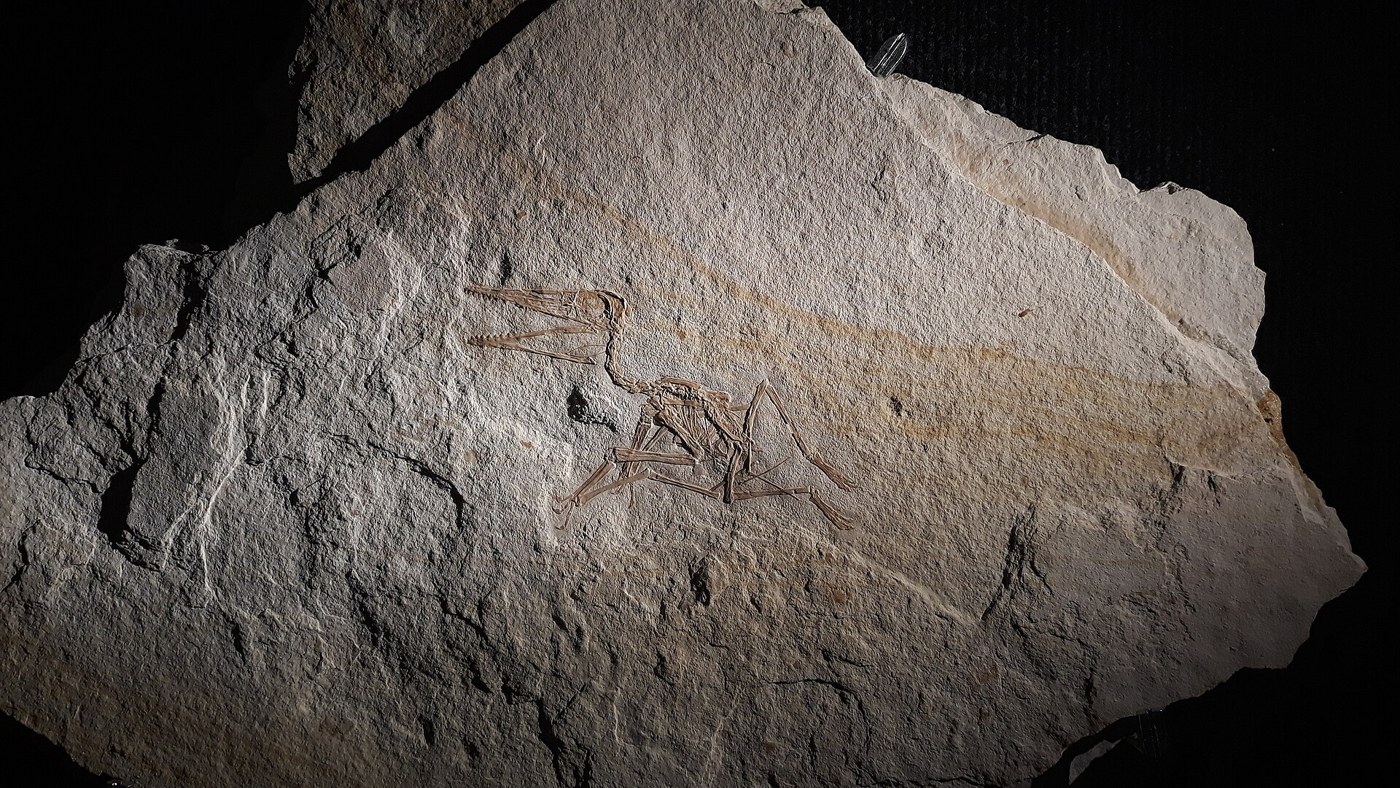
The videos arrived first, the way these things do now. This month, clips of a large, dark-winged creature over Ciudad Juárez, across the border from El Paso, have spread across social media — one of them, shared by Mexican UFO investigator Jaime Maussan, said to come from a home security camera over the Juárez Valley at night; another apparently showing the shape in daylight. A living pterodactyl, said one half of the internet. AI, said the other half. Then someone opened the Pentagon’s files, and found the United States government holding a description of the same animal.
What The File Says
The description sits in an April 2010 report by Bigelow Aerospace Advanced Space Studies — BAASS, the Pentagon contractor that ran the Defence Intelligence Agency’s AAWSAP programme — recording its investigation of a ranch in Utah’s Uintah Basin, near Fort Duchesne: the property the world knows as Skinwalker Ranch. The report was released this October in the seventh batch of the PURSUE declassification programme. Its own summary of the creature reports, gathered from more than two dozen interviews, reads like nothing else in the federal archive: multiple witnesses describing large dog- or wolf-like creatures walking on two legs, six to seven feet tall; small, hairy, three-foot ‘troll’-like creatures; large ‘worm’-like creatures; ‘little people’ — and, in the investigators’ own words, a prehistoric ‘pterodactyl’-like creature.
The detailed pterodactyl account is dated to the summer of 2006 or 2007. Witnesses returning home from playing basketball saw a large bird overhead — black, with a huge beak, a body they compared to an SUV, and a wingspan estimated at about 12 feet, its legs hanging beneath it and its wings audible as it came down into the trees. It landed across from the witnesses’ home. They ran, in their own words, ‘because the bird was big enough to pick them up and carry them away.’
A File, Not A Finding
Two corrections belong on the record. The story as first packaged had the creature at 40 feet and the sighting in the 1980s; the file, as reported by three separate outlets from the released documents, says a 12-foot wingspan and the summer of 2006 or 2007. And what the file establishes is narrower than its contents: BAASS was paid to interview witnesses and write down what they said. The report is evidence that the accounts were given, and that a Pentagon programme took them seriously enough to catalogue them alongside the ranch’s lights, orbs and tracks that appeared to walk through a barbed-wire fence. It is not evidence that a pterosaur — a line of flying reptiles extinct for 66 million years — was over Utah.
The Juárez Clips
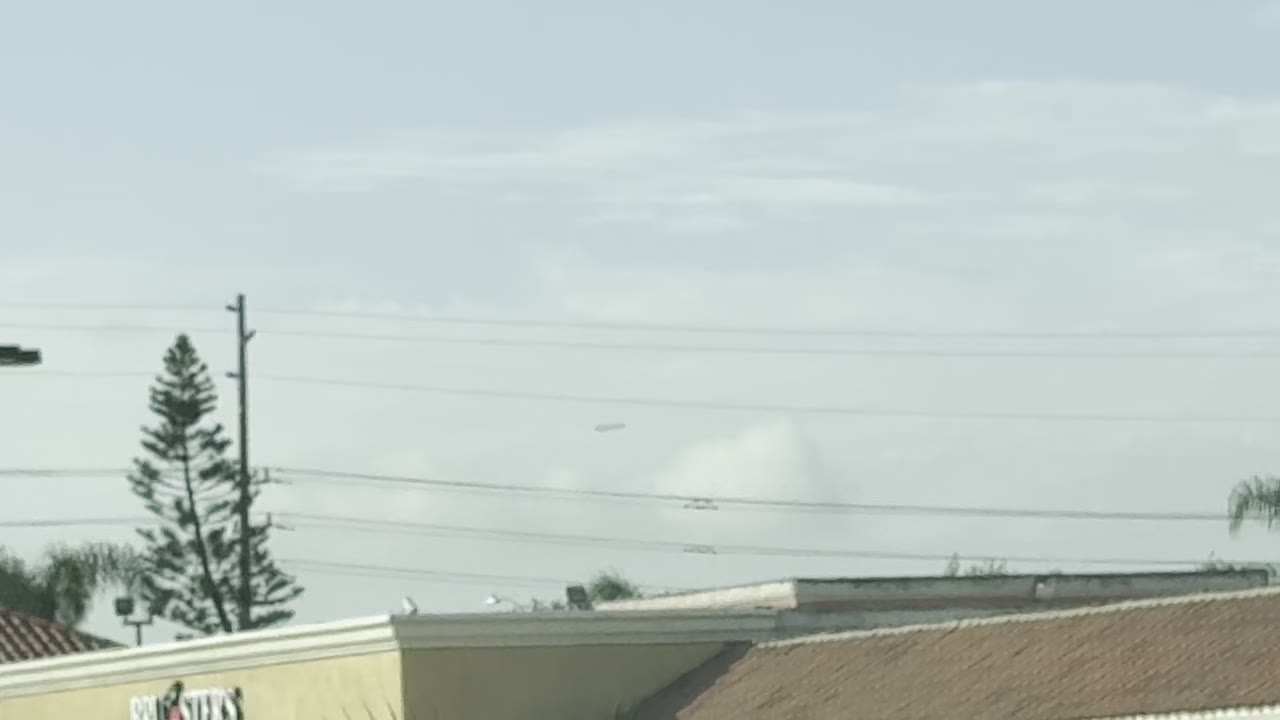
The border footage stands or falls on its own, and at the moment it does neither. The clips are unverified: no original file, no named cameraman for the daylight shot, and the night video’s chain of custody runs through a television investigator with a long record of sensational claims. The AI accusation is not a debunking — it is the standing suspicion every anonymous clip now attracts — but large birds, kites and drones are all live candidates that local reporting has raised, and a 12-foot wingspan is, not incidentally, within reach of the largest flying birds alive today, the great pelicans and albatrosses of the world. None has been matched to the footage.
What is left is the rhyme between the two records, and it is genuinely odd: a shape in a 2010 government-contractor file, described by frightened witnesses in Utah, and a shape on phone screens over Juárez sixteen years later, close enough that the Daily Mail’s readers spotted the match within days. Coincidence is the likeliest reading. It is not the only one the file permits — which is, of course, exactly why the file is now public.
The programme that gathered the account explains why a creature report sits in a defence file at all. AAWSAP — funded by Congress at the urging of Senator Harry Reid and run for the Defence Intelligence Agency by BAASS — was built to study anomalous phenomena as a possible threat, and its scope ran to six projects organised around the Capella database, the largest UFO database of its time. The Utah work, Project Ranch, was one of them. Its investigators photographed tracks in the snow that remain unidentified — including two sets of tracks that merge into one, and tracks that appear to walk ‘through’ a barbed-wire fence — and interviewed the ranch’s neighbours alongside its staff. The pterodactyl was one line in that catalogue, taken down with the same bureaucratic care as the orbs and the dog-men.
That the file is public at all is the October release’s quiet significance: in publishing the AAWSAP records, the PURSUE programme has tacitly acknowledged the strangest investigation the Pentagon ever paid for — one in which the phenomena under study were not only lights in the sky but creatures on the ground.
Sources: BAASS Utah ranch investigation report, April 2010, released in PURSUE Release 07, October 2026; Daily Mail, November 16 and 20, 2026.
Comments