

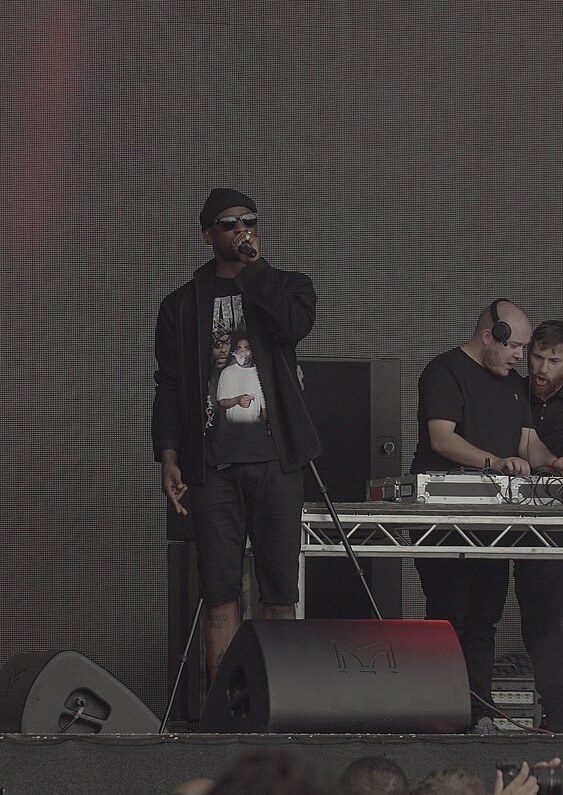
LONDON — Seven years is a long silence for the man who made grime impossible to ignore. Skepta ended it on Friday with ‘The Fork and Knife’, his first album since ‘Ignorance Is Bliss’ in 2019, released into a British rap landscape that is, in large part, the one he built. The BBC’s Newsbeat, which covered the release on the day, gave the story its frame in Skepta’s own words: “I’m what it looks like if you give an immigrant child a chance.”
The biography behind the line is the standard against which British rap careers are still measured. Born Joseph Adenuga in Tottenham, north London, to Nigerian parents, Skepta came up through the pirate-radio circuit and co-founded the Boy Better Know collective and label with his brother Jme — building, in the genre’s lean years, the independent infrastructure that let grime survive without asking the major labels for permission. When the mainstream finally arrived, he was ready for it on his own terms: ‘Konnichiwa’, released independently in 2016, won the Mercury Prize, beating David Bowie’s final album in the process, and tracks like ‘Shutdown’ and ‘That’s Not Me’ became the sound’s export documents.
The gap, and what filled it
The years since ‘Ignorance Is Bliss’ were not empty — there were features, festival headlines, a fashion label, acting, fatherhood, and the slow elevation from artist to elder statesman that British music performs on its pioneers whether they ask for it or not. But an album is a different claim from a presence. Albums are where Skepta has always made his arguments, and a seven-year gap between them meant the comeback would be judged against a catalogue that includes one of the most decorated British rap records ever made.
It also lands in a changed market. Grime’s second and third generations — the artists who grew up on Boy Better Know the way Skepta grew up on garage and jungle — now fill the charts and the festival main stages that were closed to the sound in its pirate-radio years. The question hanging over ‘The Fork and Knife’ is the one every founding figure eventually faces: whether the architect can still compete in the building. The title, at least, suggests a man who has come to eat.
The generation that followed him tells the scale of the shift. When Stormzy headlined Glastonbury in 2019 — wearing a stab vest designed by Banksy, in one of the decade’s defining festival images — he did so as a grime artist on the biggest stage in British music, a booking that would have been unimaginable when Skepta was selling mixtapes out of a car boot. The door Stormzy walked through had been forced, over a decade, by Boy Better Know’s refusal to wait for permission. Comebacks are usually judged on whether the returning artist sounds current; Skepta’s is also a reminder of who made ‘current’ possible.
Why it matters beyond the charts
Skepta has always carried more than music in his public statements — the Tottenham estate kid made good on an independent label is, in his own telling and in the BBC’s headline, a parable about who gets chances in Britain. A new album from him is a streaming event; it is also a cultural one, the return of a voice that has spent twenty years insisting, against the evidence of the industry that first ignored him, that the ends could produce an auteur. Friday’s release opens the argument again. The charts will deliver their verdict within the week.
The Facts
- ‘The Fork and Knife’ was released on Friday, November 6 — Skepta’s first album since ‘Ignorance Is Bliss’ in 2019
- Skepta is a co-founder of the Boy Better Know collective and a central figure in grime’s move from pirate radio to the mainstream
- His 2016 album ‘Konnichiwa’, made independently, won the Mercury Prize
- He told the BBC: ‘I’m what it looks like if you give an immigrant child a chance’
Sources: BBC Newsbeat, Friday November 6, 2026; Mercury Prize and Official Charts records for Skepta’s earlier work.



Comments