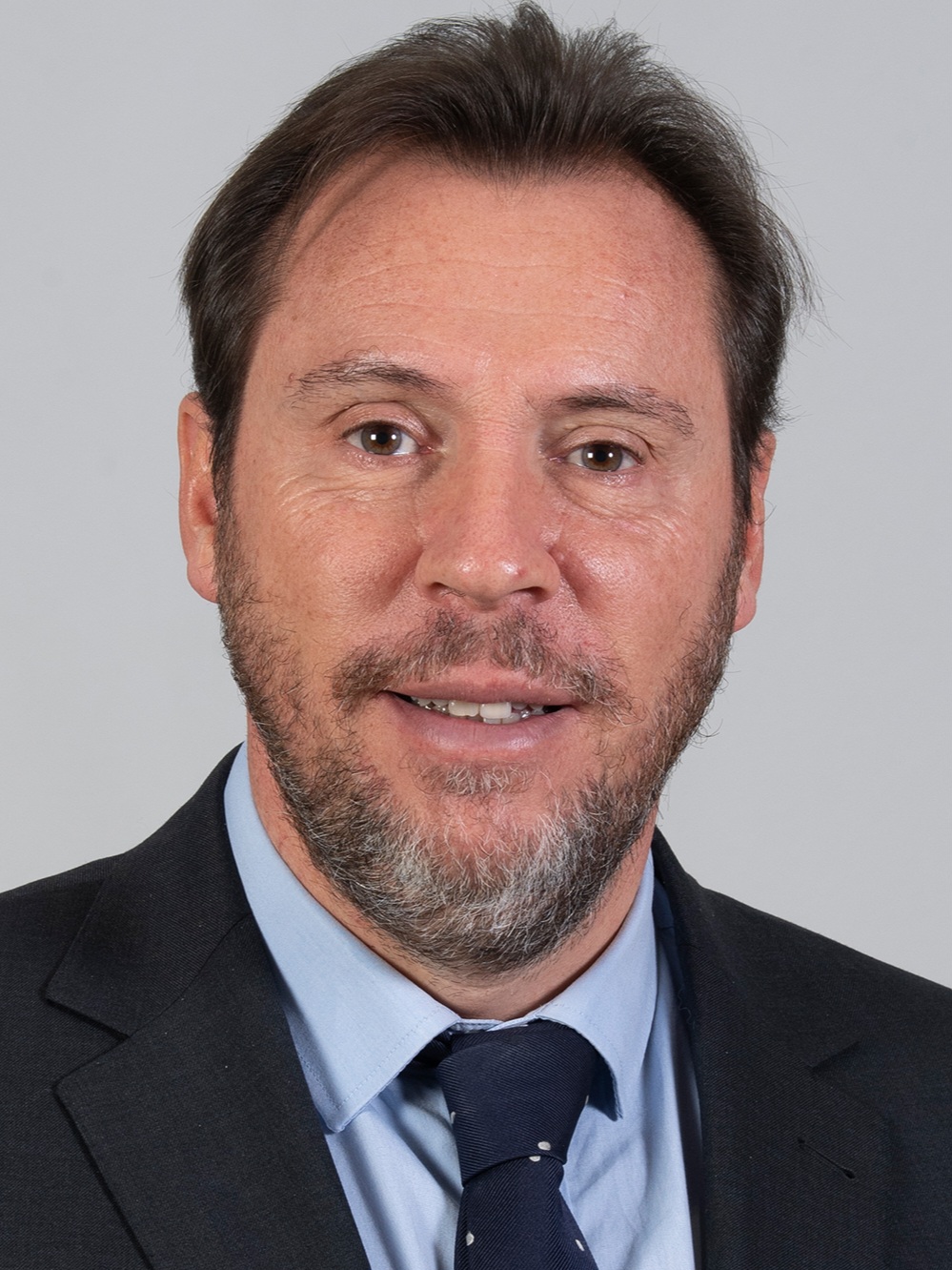
MADRID — Spain’s transport minister, Óscar Puente, resigned on Tuesday night, six days after a high-speed train collision near Urda, in Toledo province, killed 69 people — the second fatal crash on the Madrid–Seville line this year. He announced the decision at the end of a tense four-hour appearance before a committee of lawmakers from Spain’s caretaker parliament, most of whose parties had demanded he take responsibility for the two disasters, Reuters reported.
“A transport minister in a country like Spain cannot remain in office after two accidents of this seriousness in less than a year, however different they may be, whether or not I bear direct responsibility,” Puente told the hearing. He also withdrew his name from the governing Socialists’ lists for the general election on November 29.
Two Crashes, 115 Dead
The Urda collision, on the morning of Wednesday, October 28, happened when a state-run Renfe AVE train travelling at between 160 and 200 kilometres an hour ran into the back of a stationary Iryo train on the same line, south of Madrid. It was Spain’s deadliest rail accident since 2013. Nine months earlier, on January 18, two high-speed trains collided near Adamuz, in Córdoba province, killing 46 people. The two crashes, on the same corridor, have killed 115 people between them.
Puente, 57, said he had decided to resign within minutes of learning of the Urda crash, but stayed in post while the first emergency measures, the preliminary inquiries and the initial support for victims were set in train. Prime Minister Pedro Sánchez thanked him for his service. The resignation takes effect once it is published in Spain’s official state gazette.
Cuerpo Takes The Ministry, For Now
On Wednesday, Sánchez announced that his deputy prime minister, Carlos Cuerpo — who is also Spain’s economy minister — would provisionally run the Transport Ministry. “Cuerpo has shown in this legislature an enormous capacity for management and integrity,” Sánchez said, according to Reuters. Puente’s departure leaves the ruling Socialists fighting the November 29 election campaign without one of their most combative voices, six days after the crash that has dominated it.
All 69 Victims Identified; €30 Million Approved
The resignation came as the work of naming the dead was completed. Forensic authorities have now identified all 69 people killed at Urda: 54 Spanish citizens and 15 foreign nationals — four from the United States, two Australians, two Japanese citizens, and one each from Argentina, Canada, the Czech Republic, France, Mexico, Portugal and Tunisia. All 69 were adults, 40 men and 29 women; 56 were identified by fingerprints and 13 by DNA. On Tuesday the government approved a €30 million emergency assistance package for victims and their families, including a direct payment of €72,121.46 for each person killed, alongside an insurance compensation advance of the same amount.
The Line, And The Questions That Remain
Earlier on Tuesday, Puente had set out new safety measures in the same hearing: the national rail safety authority is to carry out a thorough review of the train protection systems on the Madrid–Seville high-speed line, and drivers must slow to 40 kilometres an hour after a signalling failure so the track ahead can be checked. The formal investigation into the Urda collision is still at an early stage and has not established a final cause; the account the minister gave parliament is the government’s preliminary reconstruction, not a court’s finding. What is settled is the political reckoning: for the second time in less than a year, a Spanish high-speed train has killed dozens of the people aboard it, and this time the minister has gone.
Urda — In Short
Spain’s transport minister Óscar Puente resigned on Tuesday night, November 3, six days after a Renfe AVE train hit a stationary Iryo train near Urda, Toledo, killing 69 people — the second fatal crash on the Madrid–Seville line in 2026, after Adamuz in January killed 46. Puente, in post since November 2023, said a minister cannot stay after two such accidents in a year; he also quit the Socialists’ November 29 election lists. Prime Minister Pedro Sánchez named deputy premier and economy minister Carlos Cuerpo to run the ministry provisionally on Wednesday. All 69 victims have been identified — 54 Spaniards and 15 foreign nationals — and the government has approved €30 million in aid. The investigation has not established a final cause.
Sources: Reuters, November 4, 2026 (resignation, Cuerpo appointment, gazette and election-list details); Associated Press, November 3, 2026; CNN, November 3, 2026; Railway Gazette, November 4, 2026 (safety measures); Spanish government and Official State Gazette announcements, November 3–4, 2026, as reported by RTVE and Spanish national media (identification of the 69 victims; €30 million aid package).
Comments