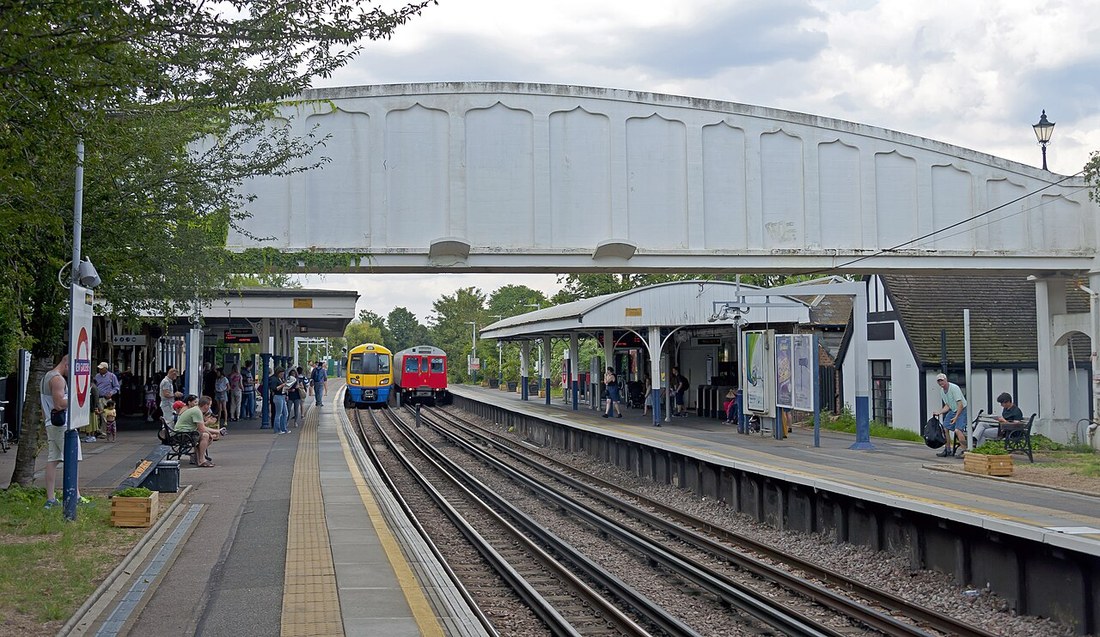
LONDON — London is getting its Christmas warning early this year. Drivers on the London Underground have announced a series of strikes through the run-up to Christmas, the BBC reported on Friday — a rolling programme of stoppages aimed at the weeks when the capital can least absorb them.
The timing is the story. December on the Tube is not an ordinary month: it is late-night shopping and office parties, pantomimes and Christmas markets, the West End’s biggest box-office weeks of the year, and hundreds of thousands of hospitality and retail shifts that start and end on the Northern, Central and Piccadilly lines. A strike day in December does not just inconvenience commuters; it cancels evenings, empties restaurants and moves the cost of the dispute onto thousands of businesses that are not parties to it — which is, of course, the point of choosing December.
How a strike winter unfolds
Under British law, strike action requires a ballot of union members and at least seven days’ formal notice of each stoppage, so the announced series will resolve into specific dates across the coming weeks, published in advance and argued over in public as they land. The pattern from previous Underground disputes is well established: on full strike days most of the network closes, some lines run partial services at their outer ends, buses and roads absorb what they can, and the city’s workers vote with their laptops — working from home where the job allows and simply not travelling where it does not.
What is being fought over, and the exact calendar of the stoppages, will sharpen as the notices are served; disputes of this kind have historically turned on pay, working hours and the terms attached to changing rosters, and they have historically also ended the same way — at a negotiating table, usually after the travelling public has absorbed several days of the argument. Talks can still avert announced strikes, and both sides in London transport disputes routinely keep talking while the dates approach.
The capital counts the cost
Business groups in London have, in past disputes, put the cost of a single network-wide strike day in the hundreds of millions of pounds once lost trade, lost shifts and lost bookings are counted; even discounting those estimates, a series spread across the Christmas run-up is the most expensive calendar slot available to either side. Transport for London will publish contingency plans as dates firm up. For now, Londoners have the headline, the season, and a familiar instruction forming in the back of the mind: check before you travel — all December.
Not everything stops when the Tube does. The Elizabeth line, the Overground, the DLR and the buses are run under different arrangements and have kept running through past Underground strikes, which turns them into the city’s pressure valves — packed, slow, but moving. The Night Tube, which carries the hospitality workforce home on Friday and Saturday nights, is part of the Underground system and stops with it, one reason December strike dates bite the evening economy harder than a weekday stoppage in February. The announcements so far name the season rather than the days; the days are what London is now waiting for.
The Facts
- London Underground drivers have announced a series of strikes, reported by the BBC on Friday
- The strikes are set for the run-up to Christmas, the Underground’s busiest retail and hospitality period
- Under UK law, unions must give at least seven days’ notice of strike action, and members must have voted in a ballot
- Previous Underground strikes have closed most of the network, with buses and roads absorbing the overflow
Sources: BBC News, Friday November 6, 2026.

Comments