
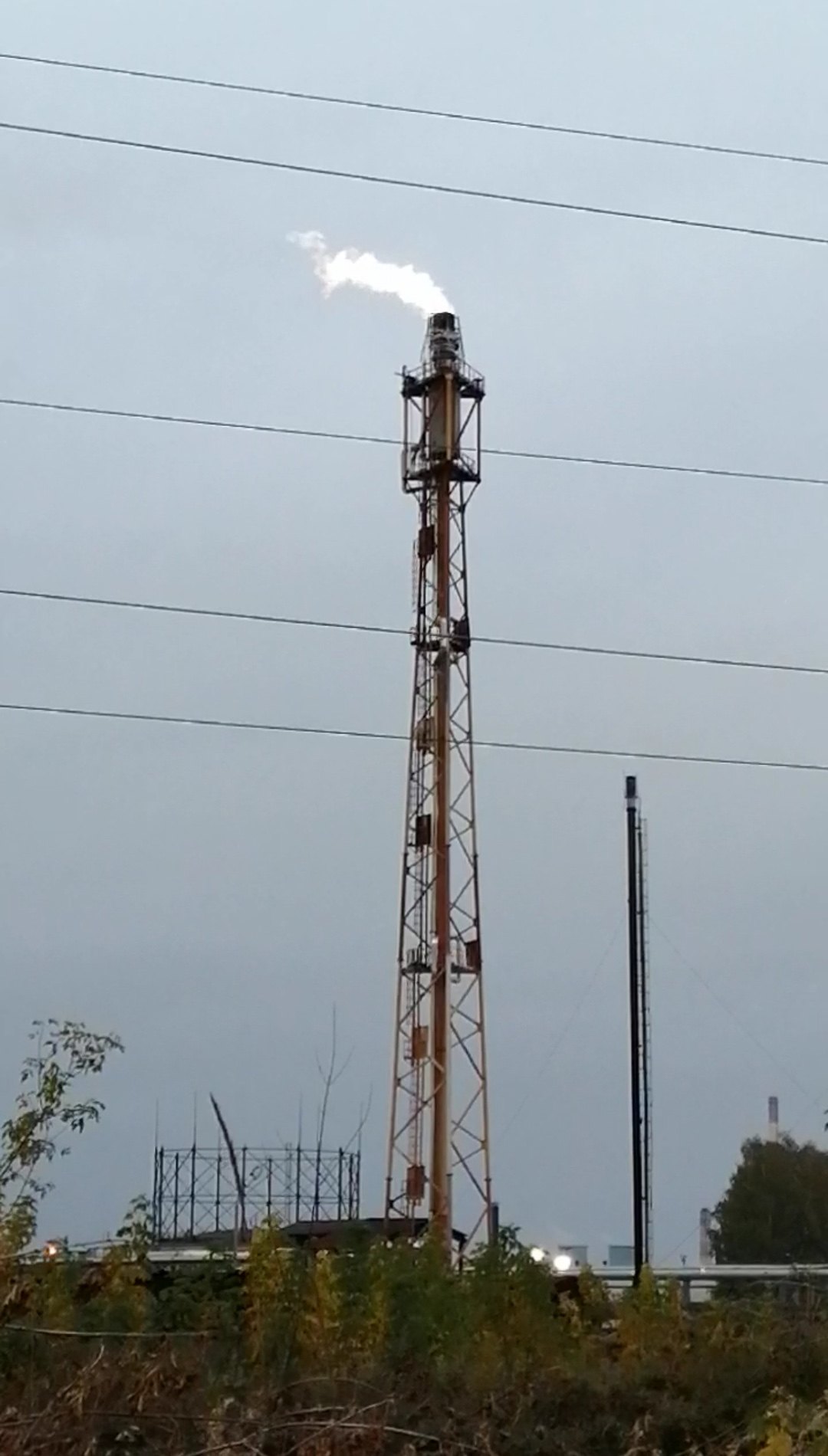
A drone attack damaged several industrial facilities in the Russian city of Togliatti on Saturday, Mayor Ilya Sukhikh said, adding that preliminary reports showed no fatalities or injuries. He did not specify which facilities were hit. Ukraine’s General Staff said its forces struck the Togliattikauchuk petrochemical plant — one of Russia’s largest synthetic-rubber producers — and the Proton electronics plant in the Oryol region, which Kyiv says makes components for cruise and ballistic missiles.
In the Oryol region, Governor Andrei Klychkov said three people were killed on Friday in a Ukrainian missile strike on an unspecified civilian facility. Ukraine also reported hitting an aircraft at the Yeysk airfield; local authorities confirmed an attack there but reported only minor damage to two apartment buildings. Russia’s Defence Ministry said its air defenses had destroyed 1,297 drones, one French-made SCALP cruise missile and four Ukrainian Neptune missiles over the previous 24 hours.
The weekend strikes are the visible end of a short and disputed pause. President Trump announced on Sunday, October 12, that Russia and Ukraine had agreed to a ceasefire on energy infrastructure. Reuters noted at the time that the truce had not been confirmed by either side. President Volodymyr Zelenskyy told the Financial Times, in an interview published Thursday, that Ukraine paused its energy strikes for three days to comply with the wishes of the United States — and then ended the pause, because Russia kept attacking Ukrainian energy infrastructure. “The block [on attacking refineries] is out. We’re done,” he said.
Ukraine says Russia launched more than 500 drones overnight into Thursday and hit a Naftogaz gas production facility in the Poltava region. Zelenskyy also complained that Ukraine had in recent days been denied the usual Western intelligence on Russian ballistic missile strikes, and that limits had been placed on its use of U.S. Starlink terminals. In a separate interview with Piers Morgan, he said he felt betrayed by Trump, and he criticized a U.S. deal to buy Russian diesel. Other reporting puts his stated condition for a renewed pause as more U.S. Patriot interceptors.
The refinery campaign itself never fully stopped. On Thursday, October 15, a Ukrainian drone strike started a fire at the Rosneft-owned Ryazan oil refinery, about 300 kilometers — 180 miles — southeast of Moscow. Russia’s Astra outlet posted a photograph of the blaze, and a senior Ukrainian official confirmed the strike on condition of anonymity. The Ryazan plant accounts for almost 5 percent of Russia’s total refining throughput and supplies Moscow with fuel. Governor Pavel Malkov said damage was being assessed and that schools and kindergartens in two districts were closed amid the mass drone attack.
Moscow’s answer is that there was nothing to resume. Kremlin spokesman Dmitry Peskov said Ukraine never stopped its refinery strikes. Foreign Minister Sergey Lavrov called the strikes a “direct and crude challenge to President Trump.” Trump himself attacked the resumed strikes in a Newsmax interview aired Thursday, October 15. Zelenskyy spent that Thursday in Brussels with NATO chief Mark Rutte and European Union officials, who rejected pressuring Kyiv.
The Strikes, In Short
- Saturday: drones damaged industrial sites in Togliatti (Mayor Sukhikh); Ukraine says it hit the Togliattikauchuk petrochemical plant and the Proton electronics plant in the Oryol region.
- The Oryol toll: Governor Klychkov said three people were killed Friday in a Ukrainian missile strike on a civilian facility in the region.
- The pause: Trump announced an energy-infrastructure truce on October 12; neither side confirmed it. Zelenskyy told the FT Ukraine paused three days, then stopped: “The block is out. We’re done.”
- Ryazan: a Ukrainian drone strike set the Rosneft refinery ablaze on October 15; the plant is almost 5 percent of Russia’s refining throughput.
- Moscow: Peskov said Ukraine never stopped; Lavrov called the strikes “a direct and crude challenge to President Trump.”
Sources: Reuters; The Associated Press; the Financial Times, via Reuters.
Comments
Loading comments…