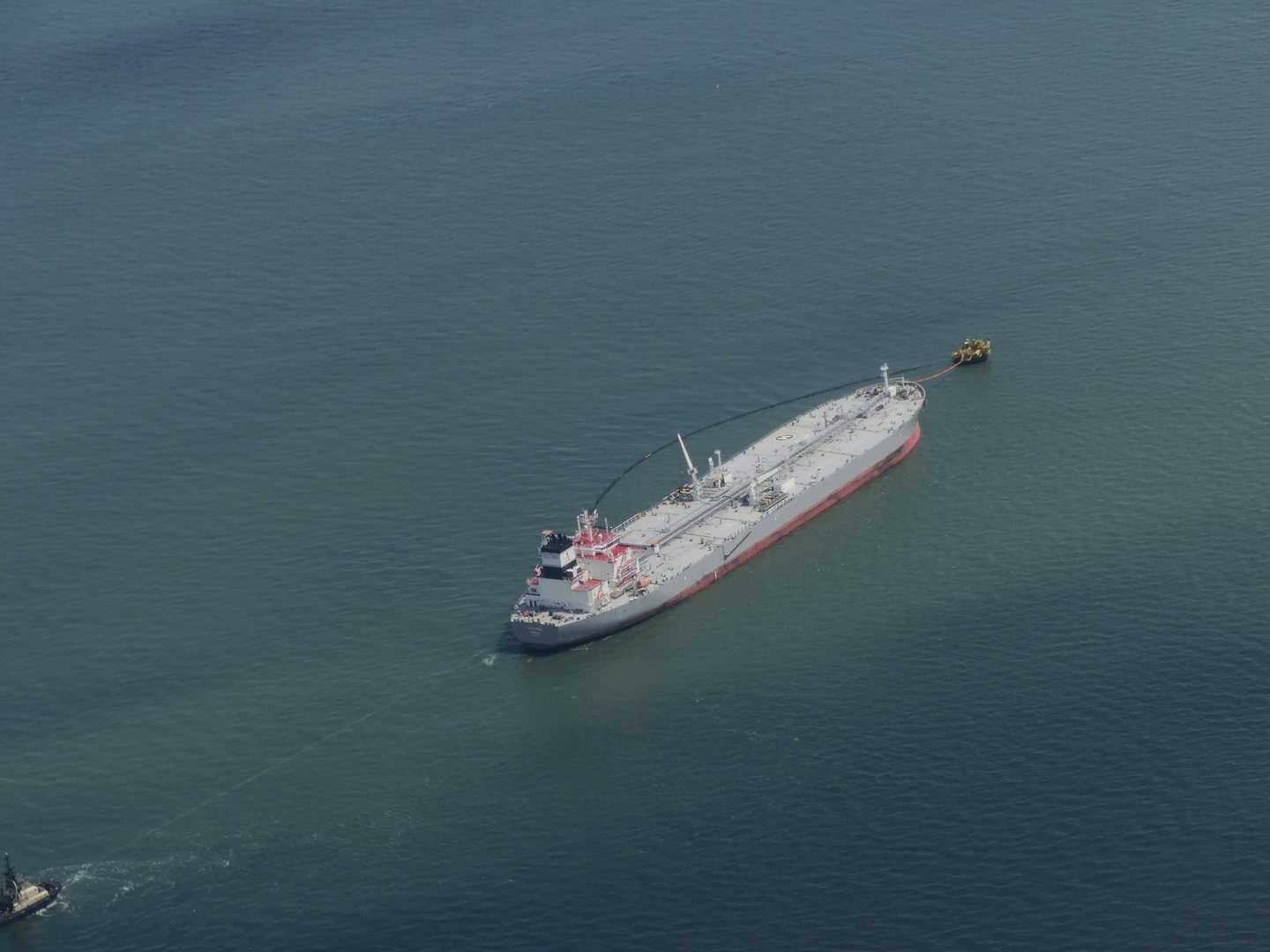
One crew member is missing and 11 others were injured after a vessel operated by ADNOC Logistics & Services was attacked in the Strait of Hormuz on Tuesday evening, the company said on Wednesday. The attack was one of a series against shipping in and around the strait this week, in which a gas carrier was struck twice in two days and abandoned by its crew off the Omani coast.
ADNOC Logistics & Services is the shipping and logistics arm of Abu Dhabi’s national oil company. Its statement on Wednesday gave the toll from Tuesday evening’s attack — one crew member missing, 11 injured — and did not name the vessel. ADNOC Logistics & Services operates the vessels that move Abu Dhabi’s crude and products out of the Gulf — the traffic the strait carries.
The Tara Gas, Hit Twice In Two Days
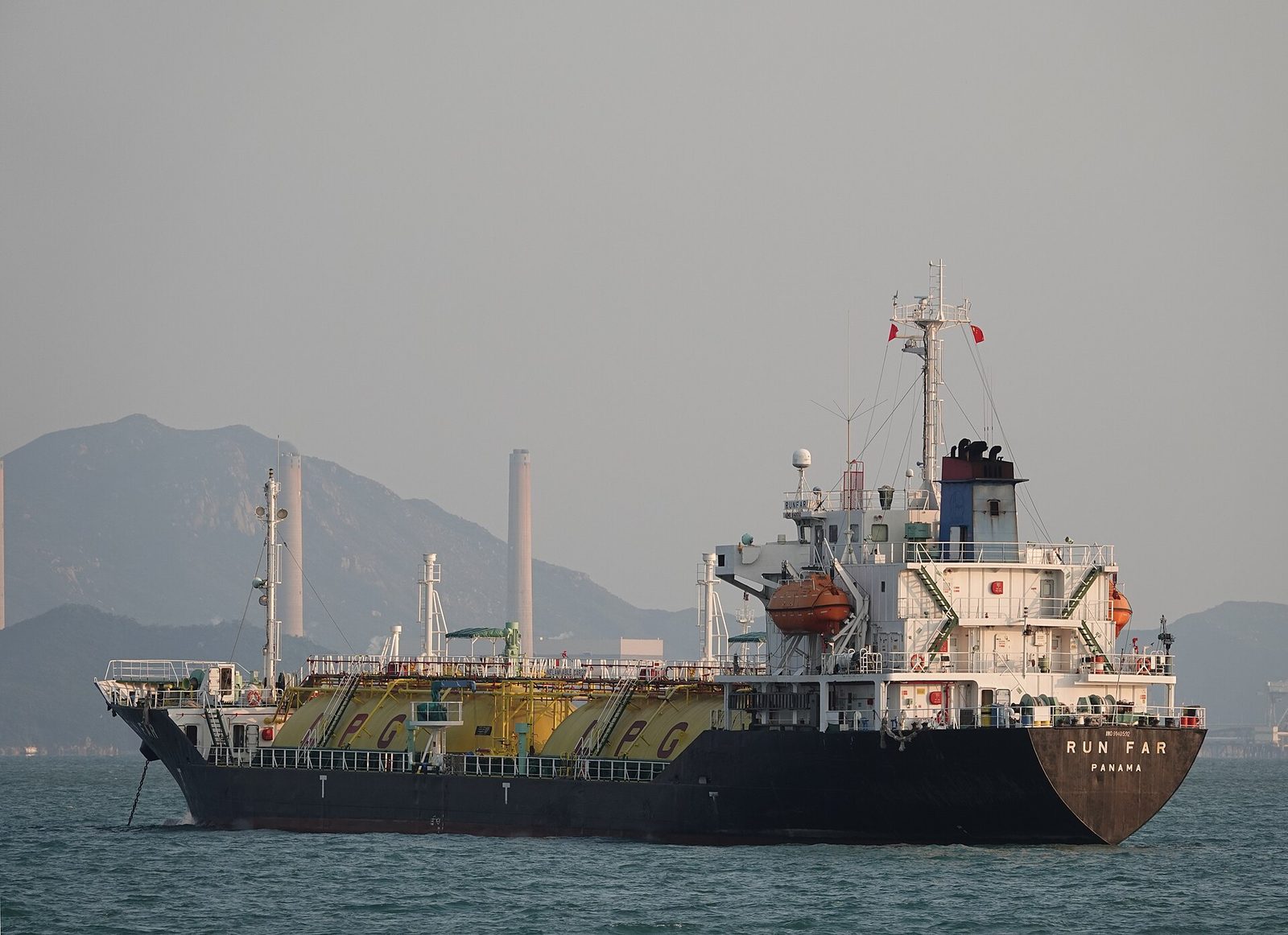
The Panama-flagged LPG carrier Tara Gas, a gas carrier of 53,200 deadweight tons, was struck on Monday about seven nautical miles north of Khasab, Oman. The strike started a fire in the ship’s engine room and disabled the vessel, leaving it adrift off the Musandam Peninsula.
Khasab is the main town of the Musandam Peninsula, Oman’s exclave on the southern shore of the strait, separated from the rest of Oman by the Emirates. The Tara Gas was hit in the waters the peninsula overlooks — the same waters, north of Khasab, where the vessel identified in one account as the ADNOC ship was also reported hit. The peninsula’s waters are the strait’s southern shore — the Omani side of the channel every Gulf export must pass.
On Tuesday, the Tara Gas was struck a second time. The second hit caused another fire, and the crew abandoned ship off the Musandam Peninsula, leaving the burning gas carrier empty.
An LPG carrier carries its cargo in pressurised tanks, and a burning one is a danger to everything around it — which is why the crew’s decision to abandon, and Oman’s rescue of all but one of them, closed the most dangerous hours of the attack.
Oman’s Maritime Security Centre evacuated and rescued 24 of the ship’s 25 crew. Twenty-four of those aboard were Indian nationals: 21 were brought ashore at Khasab, two were hospitalised, and one Indian seafarer remains missing. One man from the Tara Gas was still unaccounted for on Wednesday.
The Maritime Executive, the shipping publication, warned that a fire reaching the ship’s pressurised LPG tanks could set off a vapour-cloud explosion reaching populated parts of the Musandam Peninsula. The Tara Gas had last reported its position on September 26, according to MarineTraffic, the ship-tracking service. A merchant ship normally broadcasts its position continuously; a gap of seven weeks in the record is itself a measure of how shipping in the strait has changed.
Two Accounts Of The ADNOC Ship
Which ship the missing ADNOC crewman served on is disputed. Seatrade, citing the maritime security firm Vanguard Tech, identified the ADNOC vessel as the Liberia-flagged tanker Navig8 Messi, hit about 13 nautical miles north of Khasab. The UK Maritime Trade Operations centre, in its notice 211, logged the fire as out and a search under way for a missing crew member.
India’s shipping minister, however, said the Messi’s crew — including its three Indian nationals — are all safe. The two accounts have not been reconciled: one has a crewman missing from the ship, the other has every member of its crew accounted for.
ADNOC’s own statement is the fixed point: a vessel of its fleet was attacked on Tuesday evening, one crewman is missing and 11 are injured. What is not fixed is the ship’s name — and, with it, whether the missing man is the same man UKMTO’s notice records a search for.
A Wider Wave Of Attacks On Shipping
The attacks on the ADNOC vessel and the Tara Gas were part of a wider wave. The crude tanker On Phoenix was hit early on Monday while outbound off northern Oman. The Al Dhannah sustained damage to its stern steering gear in the Gulf and turned back toward Dubai. The On Phoenix was outbound — leaving the Gulf — when it was hit, on the same Monday the Tara Gas was struck the first time.
The Revolutionary Guards and Iran’s navy claimed that a ship carrying LNG and two oil tankers had caught fire, and Iranian state media said up to six tankers had struck naval mines. Reuters said it could not independently verify those claims.
Iran’s claims, if borne out, would put the week’s toll far higher; on the verified reports alone, the count is four vessels and two missing men. The gap between the two is the standing problem of this war at sea: the attacks happen in a closed strait, and the first accounts come from the combatants.
Reuters reported a surge in tanker attacks this month, and the strait remains blocked by Iran. The UK Maritime Trade Operations centre, which logs attacks and warnings for shipping in the region, continues to advise vessels to exercise caution.
UKMTO, run by the Royal Navy, is the point of contact for merchant shipping in the region: it takes reports of attacks and issues the numbered notices that masters use to judge the risk of a transit. Its notice 211 in this case recorded the fire out and the search for the missing crewman.
The Strait of Hormuz is the only sea passage from the Gulf to the open ocean, and the route for a large share of the world’s seaborne oil and liquefied gas. Every attack on a ship in the strait lands on that route. With the strait blocked by Iran, every transit that still takes place runs the same risk the Tara Gas met.
By Wednesday, the toll from the latest attacks stood at two men missing — one from the ADNOC vessel, one from the Tara Gas — 11 injured aboard the ADNOC ship, two Tara Gas crewmen in hospital, and four vessels hit or damaged in the current wave. The 11 ADNOC injured were the largest single casualty toll from one ship in the wave.
Sources: Reuters, November 18, 2026; UK Maritime Trade Operations (UKMTO) notices, November 16–18, 2026; Oman Maritime Security Centre, via Reuters, November 17–18, 2026; ADNOC Logistics & Services statement, November 18, 2026; Seatrade Maritime News, November 18, 2026; The Maritime Executive, November 17–18, 2026.
Comments