
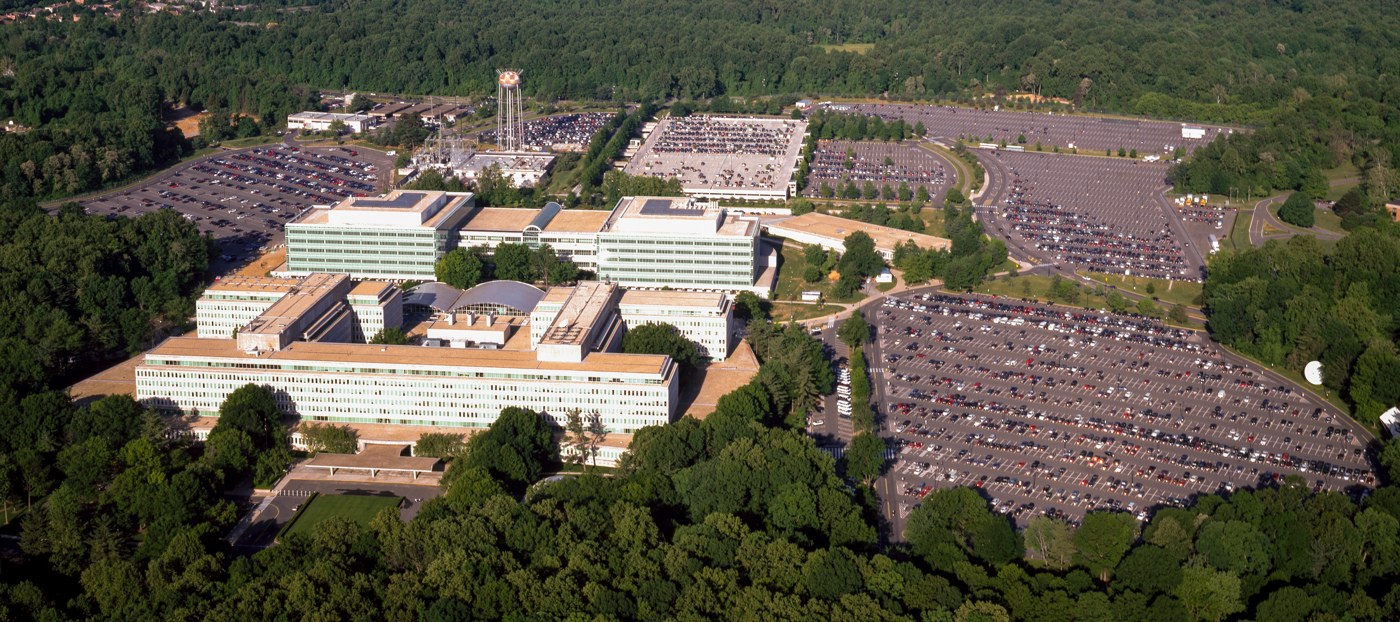

It ended with two booms, felt through the floors of Middletown, Iowa, at 9am on Wednesday. The US Army detonated the nation’s entire stockpile of lead azide — 68 barrels, roughly 9,500 pounds of a degraded, crystallised explosive that officials warned could detonate spontaneously at any time — at the Iowa Army Ammunition Plant, in a controlled blast that the acting secretary of the Army declared, within two hours, to have ‘exceeded all expectations’.
‘The Army’s controlled, mitigated detonation exceeded all expectations and was a HUGE success,’ Adam Telle, the acting secretary of the Army, posted on X. ‘The threat of an uncontrolled spontaneous detonation has been eliminated.’ Maj. Gen. Eric Shirley, commanding general of US Army Sustainment Command, said overhead coverage showed all of the lead-azide barrels were ‘definitively removed’, with no secondary explosions, no kickout of material and no infrastructure damage in or around the installation. ‘I believe absolutely that we reduced as close to zero as is absolutely humanly possible the risk to the health and safety of the people of Middletown and the extended communities throughout Iowa,’ Shirley said.
Zero On The Monitors
The fear that dominated the week and a half of controversy was the plume: Army projections released on Tuesday said measurable lead particles could carry more than 100 miles southwest into northern Missouri. The mitigation plan was built to drive the explosion into the ground instead. EPA Administrator Lee Zeldin said on CNN that he had received an initial report of a 0.0 reading after the blast, and that the magazines which held the lead azide ‘caved inward perfectly’. The EPA said its real-time air monitors reported zero detection of airborne lead throughout the region an hour after the detonation, and its sampling map showed no lead on any monitor in the projected plume area as of 12:30pm.
Iowa Governor Kim Reynolds said initial analysis shared by federal partners and Iowa Homeland Security and Emergency Management indicated the mitigation measures appeared successful and the explosion was well contained. The Iowa National Guard deployed 100 soldiers to support community outreach to 150 households in the area.
Shelter First, All-Clear Later
The all-clear has not yet come. FEMA, which sent an alert at 8am Wednesday telling residents that evacuation was no longer safe or advised, said residents within 20 miles who had not evacuated should continue to shelter in place, indoors with windows and doors closed, until officials give the all-clear. Residents within five miles southwest of the plant had been recommended to relocate temporarily; FEMA provided shuttles to shelter, including the Armed Forces Reserve Center in Middletown, and short-term hotel lodging through Friday, November 27, with food, water and supplies. Questions are being taken at 1-800-621-3362 and at DisasterAssistance.gov.
How It Came To This
The lead azide — an explosive used in military munitions since the First World War, stored at Middletown, near the Illinois border about 160 miles southeast of Des Moines, for more than a decade — was discovered to have crystallised in March, forcing the plant to shut down for several days. The Army informed residents of its disposal plan in mid-October and argued throughout that detonation in place was the only option: the barrels could not be opened or transported without risking the very explosion everyone feared. ‘Inaction is no longer an option,’ Shirley said before the blast.
The detonation was originally scheduled for noon on Friday, November 20, and was postponed three times amid public backlash, health concerns and litigation; a court hold on the operation was lifted on Monday night, clearing the Army to proceed. Media were kept more than four miles from the blast site on Wednesday. The Army filmed the detonation and says it will release the footage and photographs. For Middletown, the remaining question is the simplest one: when the monitors have the last word, and the town can open its windows again.
Sources: The Wall Street Journal, November 25, 2026; NPR via KSFR, November 25, 2026; the Des Moines Register, November 25, 2026; Gray News / KCRG, November 25, 2026; NBC live coverage, November 25, 2026; statements of the US Army, the EPA and Governor Kim Reynolds, November 25, 2026.

Comments