
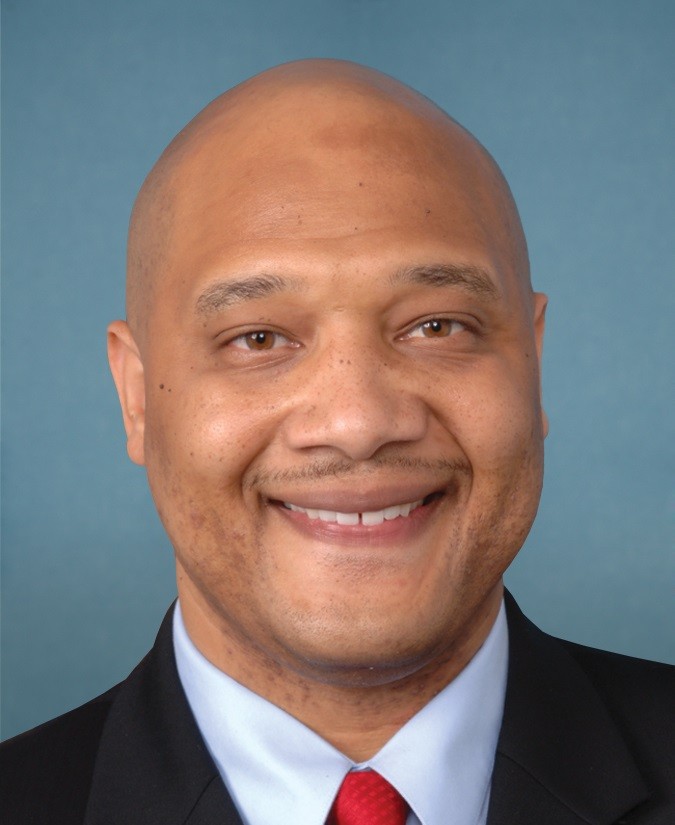
WASHINGTON — The Pentagon’s released UFO files are not the files its own investigators wrote. That is the claim Sean Kirkpatrick, the first director of the All-domain Anomaly Resolution Office, put on the record to Fox News Digital on November 1: department leadership directed his office to strip resolution language out of its case reports and release the cases as unresolved, so that Americans would make up their own minds.
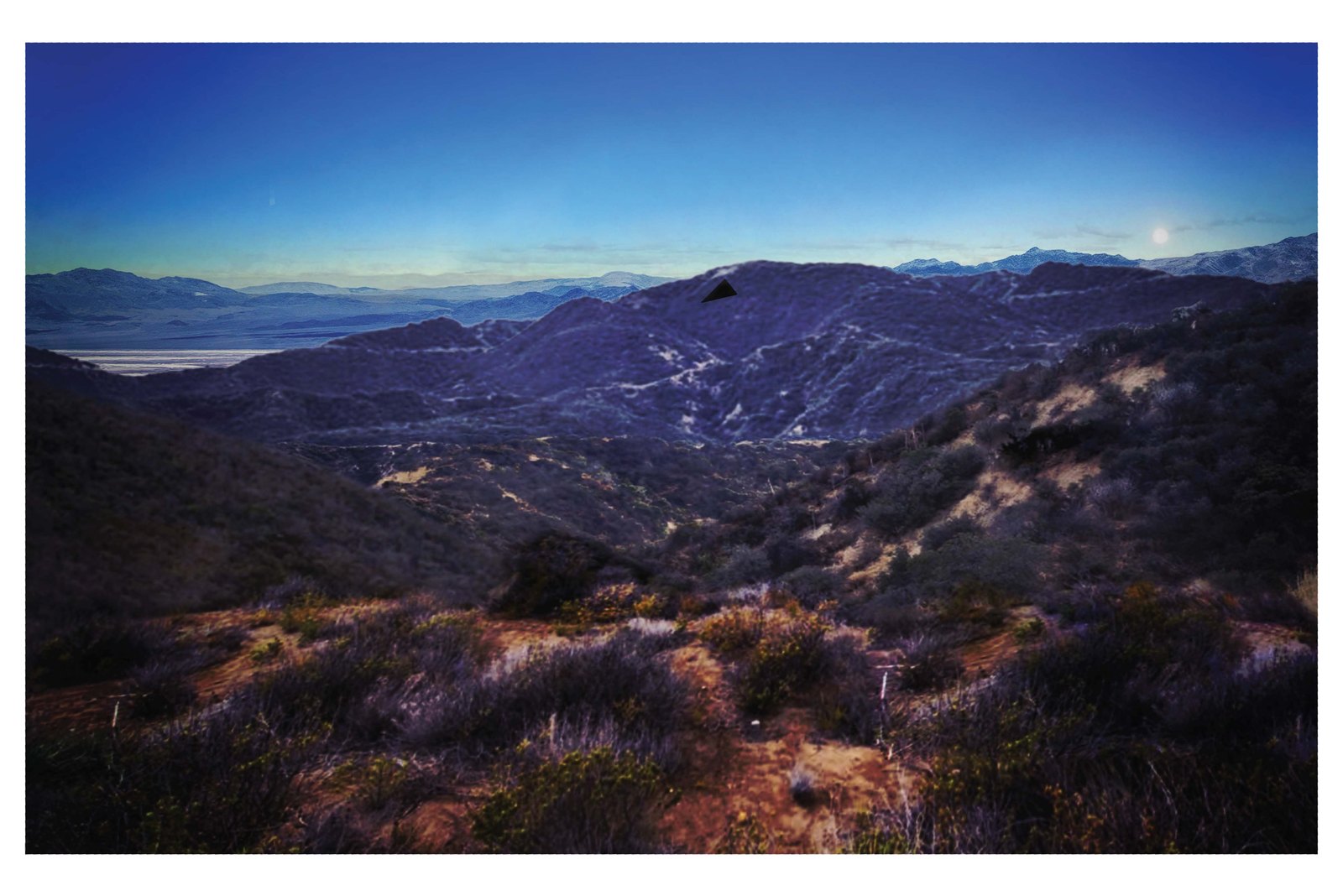
Kirkpatrick ran AARO from its creation in 2022. His remarks came days after the seventh batch of PURSUE files — 28 documents, 478 in the public archive in total — was posted on October 23 at war.gov/UFO, led by a June 2026 sighting of a matte-black triangle reported by two FBI special agents and a third official near a sensitive national security site in the western United States.
Cases that had answers
According to Kirkpatrick, some incidents now presented in the public archive as unresolved had in fact been resolved inside AARO — and briefed to Congress with their answers attached. On his account, Pentagon leadership told the office to remove that resolution language before public release, presenting the files as unresolved instead. If that is so, at least two versions of those cases exist: the analysts’ version, with conclusions, and the public version, without them.
Two cautions belong on the record with the claim. Kirkpatrick named no official who gave the instruction and no date on which it was given, and he has produced no document to support it. The claim rests, so far, on his word — the word of the man who ran the office, offered in criticism of how his former department now handles its files.
What “unresolved” means
Kirkpatrick also defined the label at the centre of the releases. “When we say a case is unresolved, it generally means there is no data or there is insufficient data to actually analyze it,” he told Fox News Digital — a low-quality, compressed internet video that cannot be tied back to a raw sensor stream is his example of the kind. Unresolved, in his telling, is a statement about missing data, not about unexplained craft. His bottom line on the archive his office built: “None of the data that we saw and reviewed and analyzed matches an alien hypothesis theory.”
Within AARO, he said, analysis was structured around three possibilities for any report: advanced foreign adversary technology; ordinary objects or sensor artifacts that were misunderstood; and an extraterrestrial explanation. Kirkpatrick was named AARO’s first director in July 2022 and is credited by the Pentagon with overseeing more than 800 cases. His office produced the March 2024 historical report, which concluded there was no evidence that the U.S. government had recovered or reverse-engineered extraterrestrial technology.
The triangle that prompted it
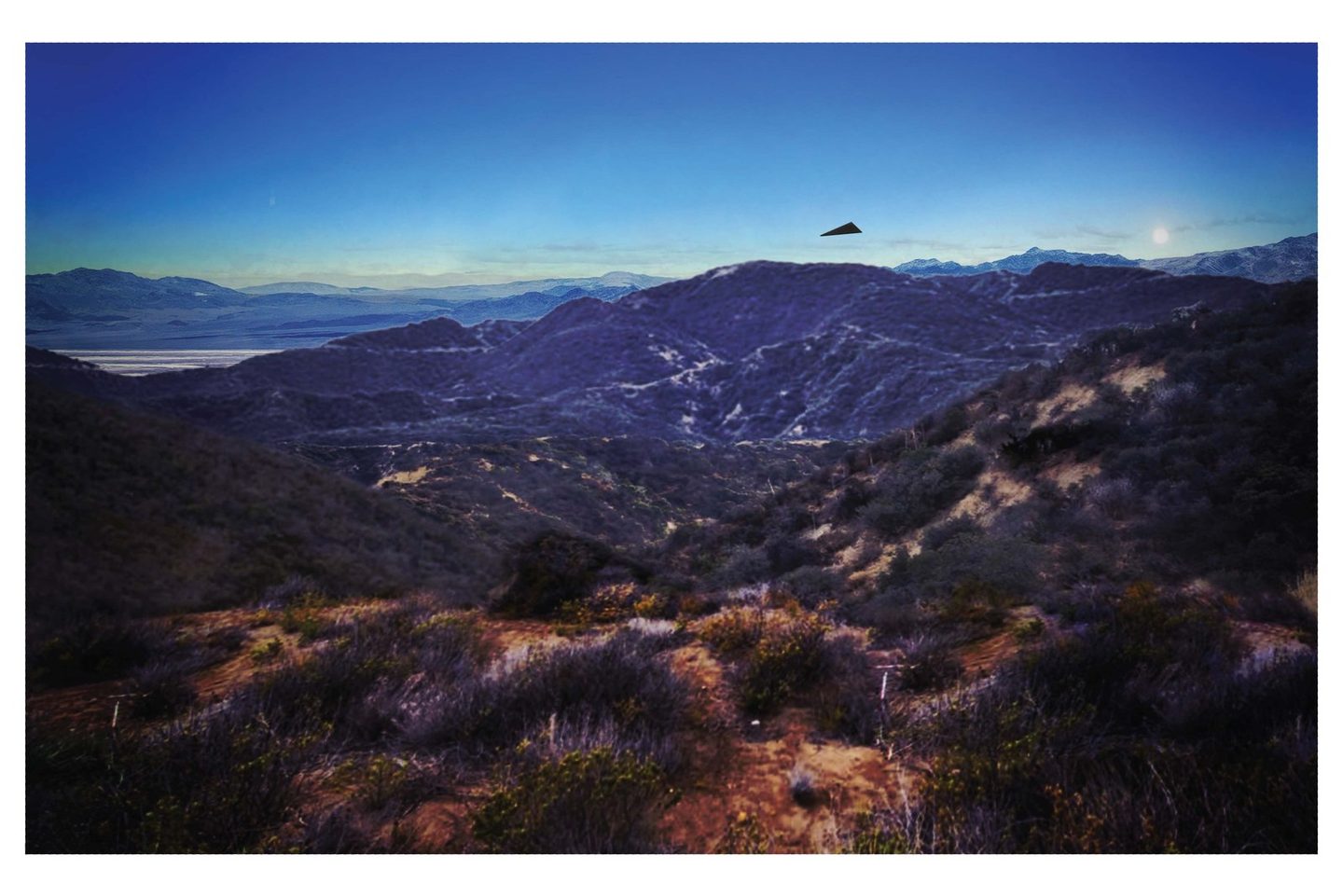
His intervention was aimed at the release’s lead case. The two government records of the June evening do not agree with each other. The AARO memorandum (DOW-UAP-D176) puts the start of the sighting at 8:23 p.m. and divides it into three phases lasting about 32 seconds in total, including a stable hover of roughly 20 seconds as the object climbed 200 to 300 feet in what the memo called absolute acoustic silence. The FBI’s own statement (FBI-UAP-D043) puts the initial alert an hour earlier, at 7:23 p.m., and the sighting at approximately three seconds. The AARO memo is explicit about the limit of its record: “No instrumented speed measurement was obtained.” There is no radar data, video or audio in the release.
Kirkpatrick’s objection was to the weight being put on the witnesses’ jobs. “There’s a lot of people that like to point to folks as being credible witnesses and therefore their testimony must be taken at face value… that is a classic case of authority bias,” he said, arguing that cases should be examined through an evidence-based lens. The Daily’s full account of the two files is here.
The department’s answer
A Department of War official, speaking on background, told Fox News that the department is not commenting on or assessing the files as a whole or any individual file, so that Americans can make up their own minds. The department confirmed that the images attached to the FBI report are illustrations, not photographs of the object. The FBI’s press office told the Liberation Times on October 31: “We have nothing additional to add to the documents.” The department has not disputed Kirkpatrick’s characterization of its posture — a silence that leaves his claim standing as the only account of how the public files were made from the working ones.
The Facts
- Kirkpatrick told Fox News Digital (November 1) that Pentagon leadership ordered AARO to strip resolution language from case files before release
- He says some cases released as unresolved had been resolved inside AARO and briefed to Congress with their answers
- “Unresolved,” in his definition, means there is no data or insufficient data to analyze a case
- “None of the data that we saw and reviewed and analyzed matches an alien hypothesis theory”
- The Department of War is offering no assessment of the files, and confirms the triangle images are illustrations, not photographs
- PURSUE Release 7 posted October 23: 28 files, 478 in the public archive, at war.gov/UFO
Sources: Fox News Digital, November 1, 2026; Liberation Times, October 31, 2026; PURSUE Release 7 (AARO memorandum DOW-UAP-D176; FBI statement FBI-UAP-D043), war.gov/UFO; Davies Daily, “Former Pentagon UFO Chief Questions FBI Agents’ Black Triangle Account,” November 2026.

Comments