

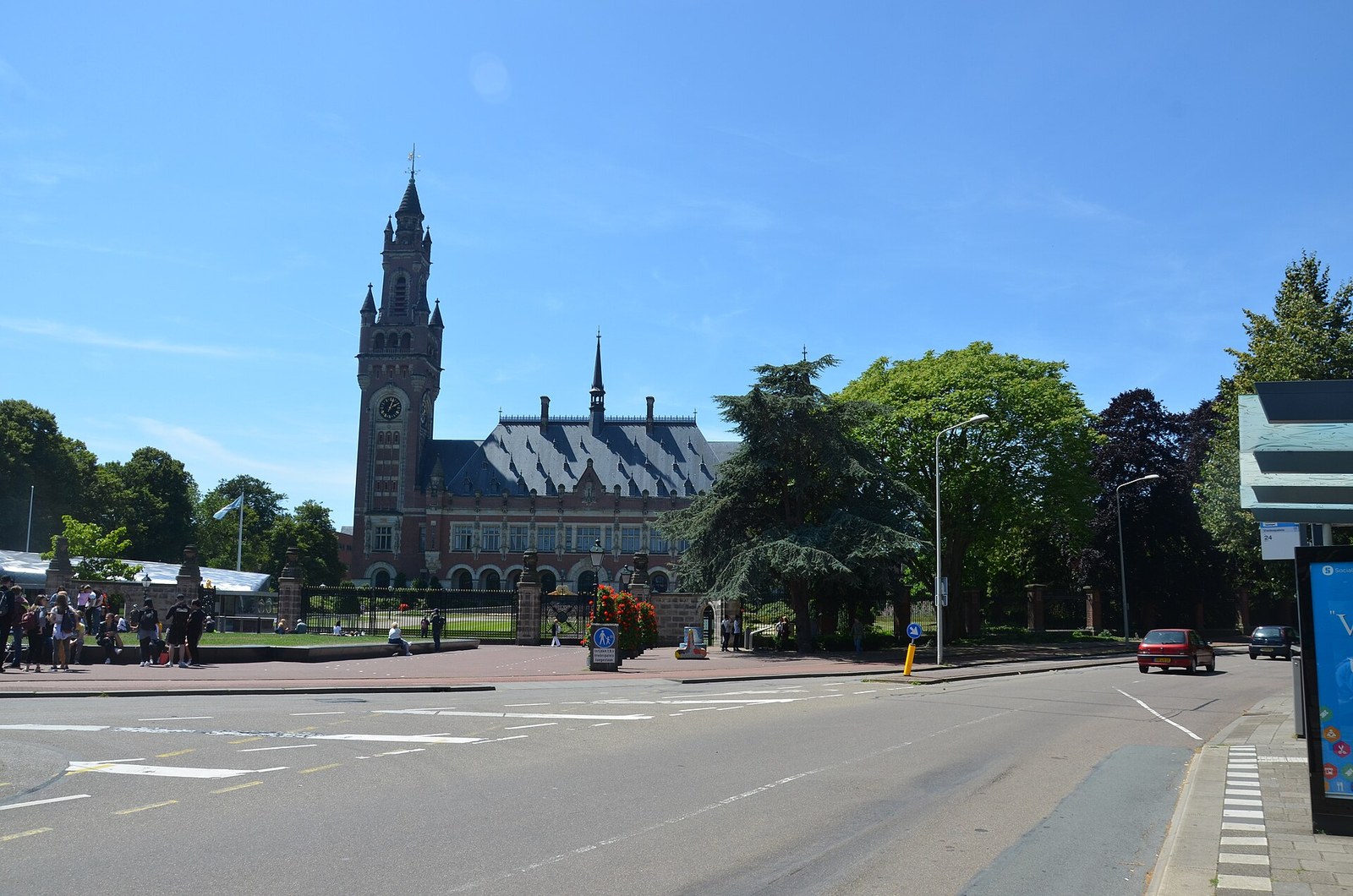
The International Court of Justice ruled on Thursday, by nine votes to six, that Myanmar committed genocide against the Rohingya people during its military’s 2017 clearance operations in northern Rakhine State — the first time in the court’s 80-year history that a state has been found responsible for committing genocide.
The judgment, in the case of The Gambia v. Myanmar, was read by the court’s president, Yuji Iwasawa of Japan, over nearly three hours at the Peace Palace in The Hague. It is the final word of the United Nations’ highest court on a case filed in November 2019. The case was brought under the 1948 Genocide Convention, the treaty written after the Holocaust, which obliges states to prevent and punish genocide and allows any state party to sue another over it.
The court found that Myanmar’s security forces and other state organs intentionally committed three of the acts listed in Article II of the 1948 Genocide Convention: killing members of the group; causing serious bodily or mental harm to members of the group; and deliberately imposing measures intended to prevent births within the group. “The Court is fully convinced,” the judgment reads, “that Myanmar committed acts under Article II (a), (b), and (d) of the Genocide Convention with an intent to destroy a substantial part of the Rohingya population of Myanmar.”
Genocide requires proof of intent to destroy a group, and the court said the evidence left no other reading: “the only reasonable inference that can explain Myanmar’s actions is an intention to destroy” the Rohingya in northern Rakhine. President Iwasawa said the estimate of 10,000 Rohingya violently killed in the 2017 operations is supported by the evidence. The court cited indiscriminate killings, widespread sexual violence and extreme violence against children, including the murder of infants, and pointed to attacks on Rohingya as they fled, and to the destruction of villages and bridges, as part of the pattern from which intent was inferred. The pattern it described ran across hundreds of villages in northern Rakhine.
The case concerned the military’s “clearance operations” of August and September 2017, launched after attacks on police posts by Rohingya militants. Within weeks, hundreds of villages had been burned. A UN fact-finding mission concluded in 2018 that the operations bore the hallmarks of genocide; Myanmar rejected the finding.
The Rohingya are a Muslim minority in Buddhist-majority Myanmar. Most are denied citizenship and have been stateless for decades, their movements and marriages restricted by law. The 2017 operations followed attacks on police posts by the Arakan Rohingya Salvation Army, a Rohingya militant group; the military’s response emptied northern Rakhine of most of its Rohingya population within weeks.
More than 730,000 Rohingya fled across the border into Bangladesh during the operations, most of them to the camps around Cox’s Bazar, which became the largest refugee settlement in the world. The majority remain there nine years later. Villages and bridges were set alight and bulldozed behind them.
Nine years on, the camps around Cox’s Bazar hold around a million Rohingya in total, including families who fled earlier waves of persecution. Repatriation agreements between Bangladesh and Myanmar have been signed and have repeatedly stalled, and no large-scale return has taken place. The court’s order that Myanmar facilitate a safe, voluntary and dignified return is directed at exactly that stalemate.
The court also found that Myanmar failed in its separate duties to prevent and to punish genocide. It found that Myanmar took no significant steps to investigate the crimes or hold those responsible to account, that it prevented and interfered with international investigations, that crucial evidence was destroyed, and that the Rohingya were provided with no remedies.
What The Court Ordered
The court ordered Myanmar to cease any ongoing violations, by enacting legislation giving full effect to its obligations under the Genocide Convention. It ordered Myanmar to take immediate and effective steps to investigate all persons reasonably suspected of involvement and, if warranted, to prosecute and punish them. And it ordered reparations and restitution — including facilitating the safe, voluntary and dignified return of Rohingya to their places of residence, the reunification of families, and the return of property lost or damaged. The orders on return and property address the central fact of the case: that most of the Rohingya of northern Rakhine still live outside Myanmar, nine years after they fled.
Judgments of the ICJ are final, binding and without appeal. But the court has no enforcement power of its own; its orders can be taken to the UN Security Council, where they depend on the votes of the permanent members. The case itself was brought by a state on the other side of the world with no direct involvement in the events — possible because the Genocide Convention allows any party to the treaty to bring a case. Earlier Security Council action on Myanmar has run into the veto before.
A Case From Another Continent
The Gambia, a small West African state acting with the backing of the Organisation of Islamic Convention. The court ordered provisional measures in January 2020, upheld its jurisdiction in July 2022, and heard the merits over two weeks — January 12 to 29 — this year. Myanmar has always denied committing genocide.
The ICJ rules on the responsibility of states, not of individuals. Criminal cases against individuals run separately: in 2024, the prosecutor of the International Criminal Court requested an arrest warrant for Min Aung Hlaing, Myanmar’s military leader, over the crimes against humanity of deportation and persecution of the Rohingya. Amnesty International’s secretary general, Agnès Callamard, called Thursday’s ruling a historic judgment and a rare victory for survivors.
Fortify Rights, a human rights organisation that has documented the Rohingya’s case for a decade, said the judgment gave momentum to the efforts to hold individual perpetrators to account, and urged states to back the separate criminal processes.
The Associated Press noted that this is only the fourth time since the Holocaust that an international court has ruled that genocide was committed. The ruling landed hours after the Shenzhen peace declaration, in which the United States, China and Russia declared that the International Criminal Court “and similar institutions must not abuse their jurisdiction”.
Sources: UN News, November 19, 2026; Reuters, November 19, 2026; CNN, November 19, 2026; The International Court of Justice, judgment in The Gambia v. Myanmar, November 19, 2026.

Comments