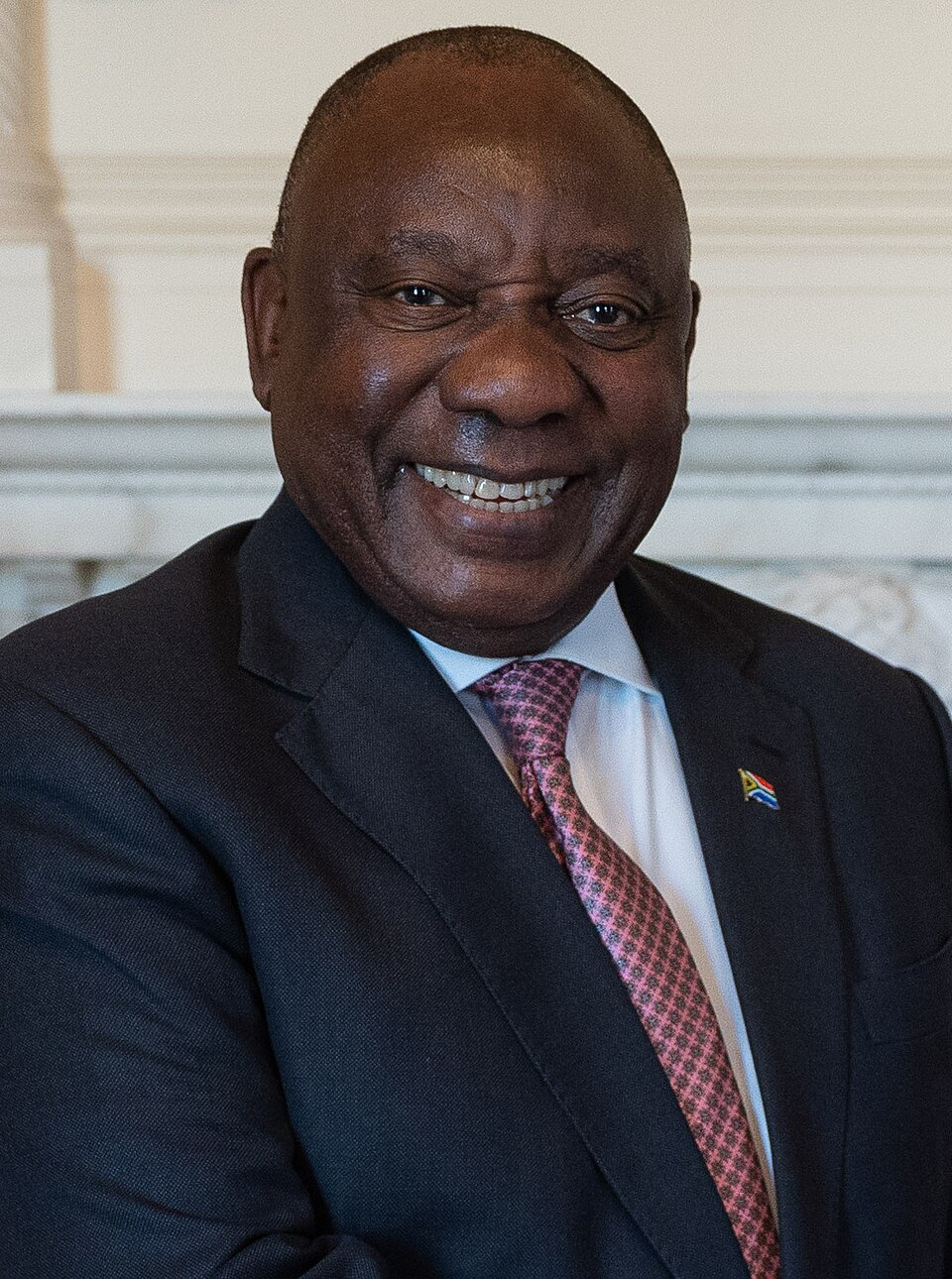
JOHANNESBURG — The African National Congress is on course for a bruising result in South Africa’s local elections, as voters went to the polls on Wednesday amid deep discontent over water outages, power cuts and crumbling infrastructure. The former liberation movement, which Nelson Mandela led to power in 1994 at the end of apartheid, is still likely to finish as the largest party — but polls before the vote showed it winning less than a third of it, down from 45.6 percent at the last municipal elections in 2021 and 40.2 percent in the 2024 national elections.
The decline has been a generation in the making and then suddenly fast. The ANC held above 60 percent for two decades, lost its parliamentary majority for the first time in 2024 — falling from 57.5 percent in 2019 to 40.2 percent, as millions of voters defected to breakaway parties amid chronic unemployment, degrading public services and high rates of violent crime — and now faces governing most of South Africa’s towns and cities in coalition or not at all. In Gauteng, the economic heartland that holds Johannesburg and Pretoria, early counting had the Democratic Alliance ahead; in KwaZulu-Natal, Jacob Zuma’s MK Party led the early returns, with the ANC third in its former stronghold province’s first counts.
Counting Under Way
Voting stations were open from 7 a.m. to 9 p.m., and the Electoral Commission’s results have been arriving through the night: the ANC is leading the ward count nationally in the early hours, but with a share in the mid-30s in the counted districts — a level that, if it holds, would be the party’s weakest performance in any election since 1994 and would scatter control of municipalities among coalitions of the DA, MK, the EFF and a dozen smaller parties. President Cyril Ramaphosa’s government already rules nationally in a coalition built after the 2024 loss of majority; a local result in the low 30s would extend that arithmetic to the towns where South Africans actually meet the state — at the tap, the meter and the pothole. Full results are expected on Sunday, and the Daily will update this story as the national picture settles.
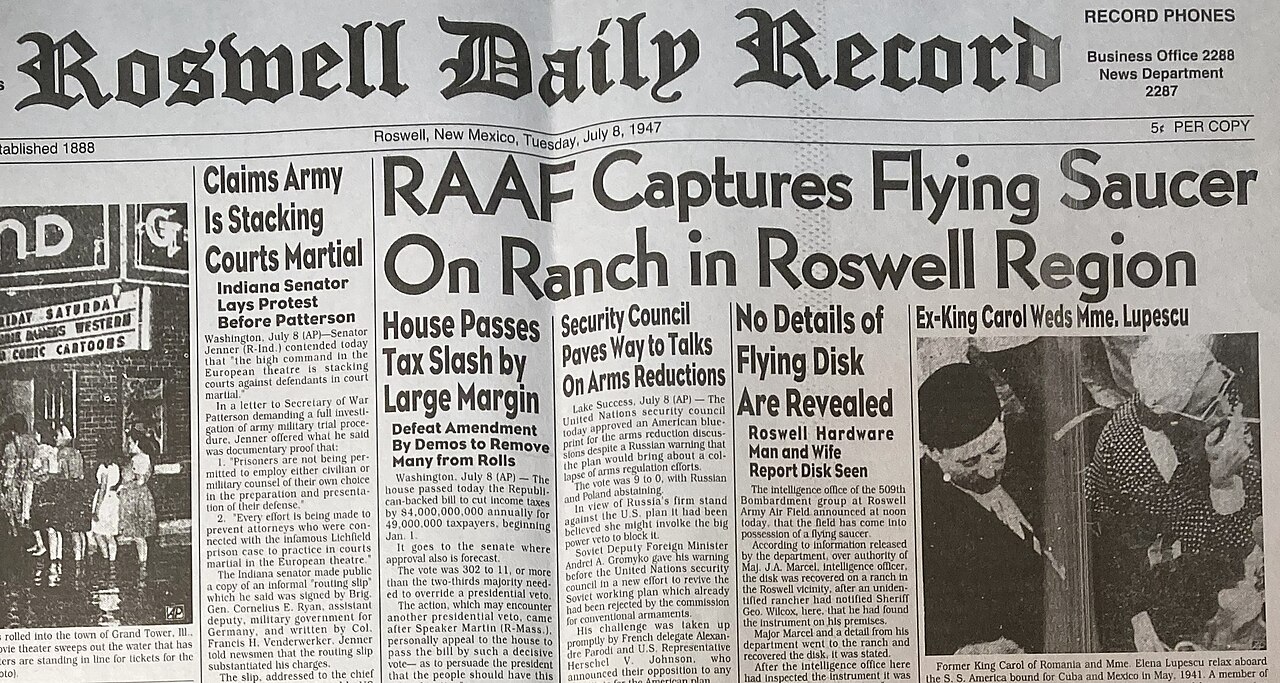
READ NEXT: The Pentagon’s New UFO Files Include The Roswell Officer’s 2002 Statement — In Print Since 2007
The same Wednesday carried an irony the ANC’s strategists will not have missed: as his party slid toward its weakest result in three decades, President Ramaphosa was quoted around the world welcoming the verdict of another country’s voters — the American midterms, he said, would “introduce a new era in world relations,” because “the people of America have spoken.” South Africa’s people have now spoken too, in the register that matters most to a governing party: not about liberation history, but about water, power and work. The battlegrounds that will decide the map are the metros — Johannesburg, eThekwini (Durban), and Cape Town, which the DA has governed since 2006 — where hung councils and coalition bargaining are expected to follow the final count. A result in the low-to-mid 30s would not end the ANC; it would end the ANC as South Africa’s default government, town by town.
South Africa — In Short
South Africa voted in municipal elections on Wednesday. The ANC — in power nationally since 1994 — was polling below a third of the vote before election day, down from 45.6 percent at the 2021 local elections and 40.2 percent at the 2024 nationals, amid anger over water outages, power cuts, unemployment and crime. Early counting had the ANC in the mid-30s nationally, the DA ahead in Gauteng and the MK Party leading early in KwaZulu-Natal. Full results are expected Sunday.
Sources: Reuters, South Africa elections preview, November 4, 2026 (via Roundup Newswires); Electoral Commission of South Africa results service, early counts, November 5, 2026 (SAST).



Comments